 how to
 How to Install a Whole-House Water Filter on a Well
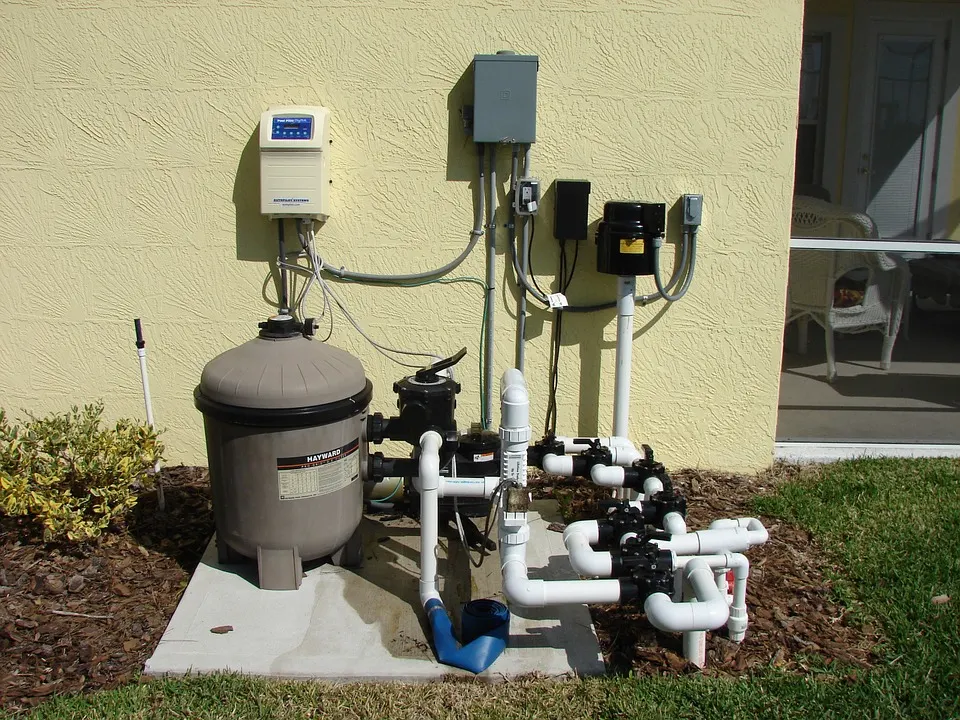
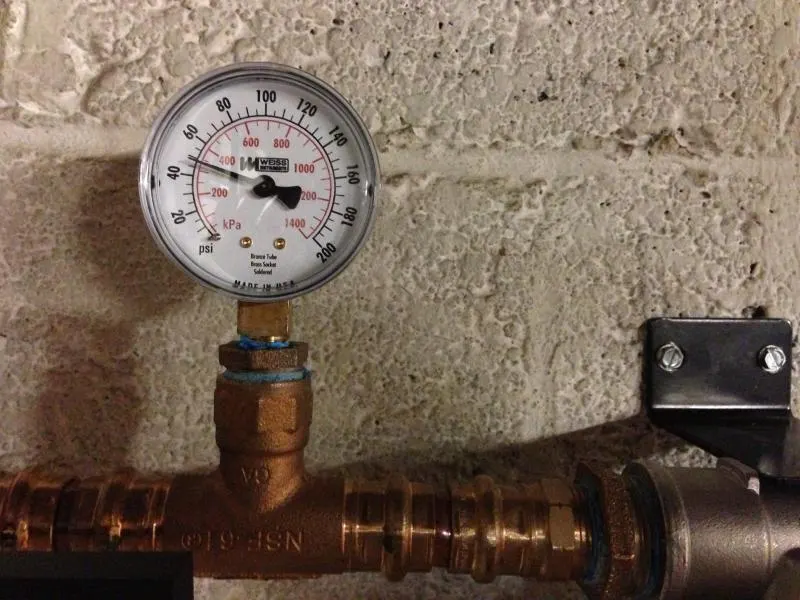
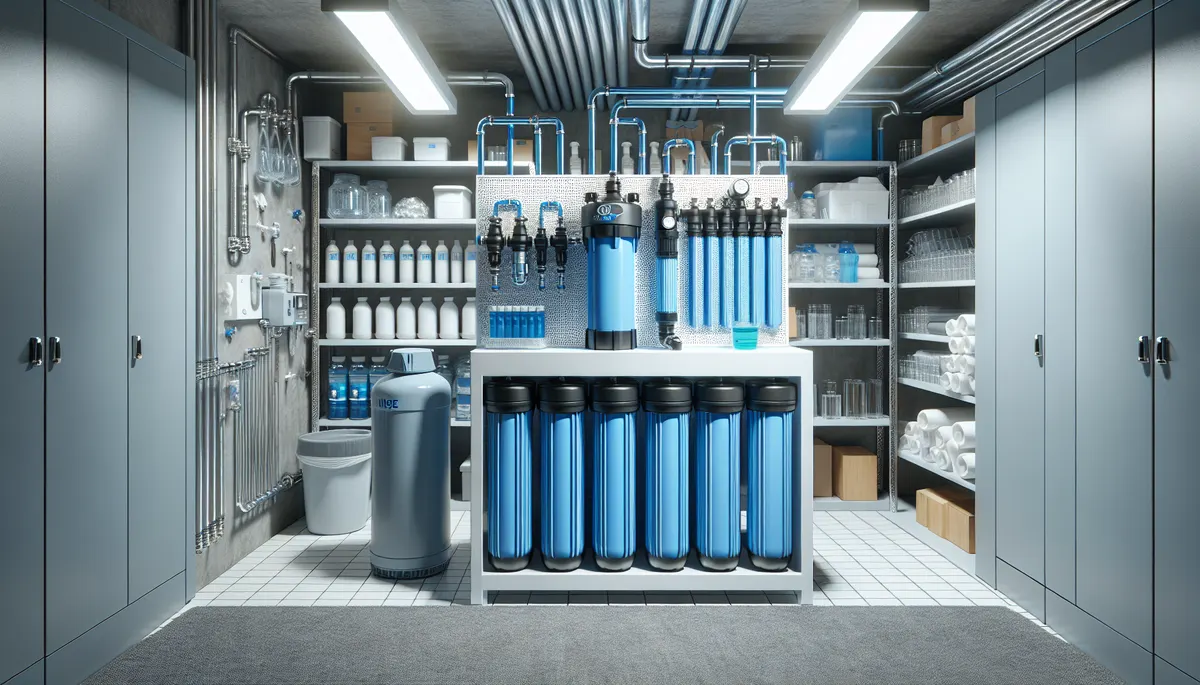
Well water comes with its own set of challenges. Here's a 10-step walkthrough for installing a whole-house water filter on your well, from testing your water.

Reviews, comparisons, and buying guides for every type of filters we've tested and researched.
We may earn a small commission through links on this page, at no extra cost to you. As an Amazon Associate, we earn from qualifying purchases. Ratings reflect our own editorial evaluation.
Picking a water filter sounds simple until you realize there are hundreds of options across a dozen different technologies. Reverse osmosis, activated carbon, UV, ceramic, whole-house, under-sink, countertop — the choices pile up fast. But here is the good news: once you understand a few key variables about your water and your household, the right filter practically picks itself.
The single most important step is knowing what is actually in your water. If you are on city water, your utility publishes an annual Consumer Confidence Report (CCR) that lists detected contaminants and their levels. Request it or find it online. If you are on well water, you do not have that safety net — the EPA does not regulate private wells, so testing is on you. Either way, I recommend getting a comprehensive lab test from a certified laboratory. Without that data, you are guessing, and guessing usually means overspending on filtration you do not need or, worse, underspending on filtration you desperately do.
Once you know your contaminants, think about where you want filtered water. Do you just need clean drinking water at the kitchen sink? An under-sink or countertop filter will do the job at a fraction of the cost of a whole-house system. Are you dealing with sediment or chlorine that is ruining your showers, laundry, and appliances? Then a whole-house system starts making a lot more sense. Many households end up combining both — a whole-house sediment or carbon filter for general water quality, plus a point-of-use reverse osmosis system under the kitchen sink for drinking water.
Budget matters too, but not the way most people think about it. The upfront price of a filter system is only part of the equation. Replacement cartridges, membrane changes, electricity for UV systems, and potential plumbing modifications all factor in. A $150 under-sink carbon filter with $30 annual cartridge costs will often outperform a $50 pitcher filter that chews through $80 in cartridges per year — and delivers better water quality. We always recommend calculating the total cost of ownership over two to three years before committing. If lead is your primary concern, for example, a certified carbon block or RO system is non-negotiable regardless of price, because the health stakes are simply too high.
Finally, consider your mechanical comfort level. Some systems, like pitcher filters and faucet-mount units, require zero tools and zero plumbing knowledge. Under-sink systems typically need basic wrench work and a drill for the faucet hole. Whole-house installations can range from straightforward to genuinely complex depending on your plumbing layout. If you are not comfortable sweating copper or working with PEX, factor in the cost of a plumber. There is no shame in hiring a professional — a poorly installed filter can leak, reduce water pressure, or fail to filter properly, which defeats the entire purpose.
| Filter Type | How It Works | Best For | Removes | Avg. Cost |
|---|---|---|---|---|
| Reverse Osmosis | Forces water through a semipermeable membrane at high pressure | Comprehensive drinking water purification | Lead, fluoride, arsenic, nitrates, TDS, PFAS, sodium, bacteria | $150 – $600 |
| Carbon Block | Water passes through compressed activated carbon | Chlorine, taste/odor, VOCs, some lead | Chlorine, chloramine, VOCs, pesticides, herbicides, some lead & mercury | $50 – $300 |
| Granular Activated Carbon (GAC) | Water flows through loose granules of activated carbon | Taste and odor improvement, light chemical removal | Chlorine, some VOCs, sediment, taste/odor compounds | $30 – $200 |
| Sediment | Physical barrier traps particles by micron size | Pre-filtration, well water with sand/silt/rust | Sand, silt, rust, dirt, scale particles | $15 – $80 |
| UV Purification | Ultraviolet light damages DNA of microorganisms | Killing bacteria, viruses, and cysts in well water | E. coli, Giardia, Cryptosporidium, viruses (does not remove chemicals) | $100 – $500 |
| Ion Exchange | Resin beads swap harmful ions for harmless ones | Water softening, nitrate/heavy metal removal | Calcium, magnesium (hardness), barium, radium, some heavy metals, nitrates | $50 – $400 |
| Ceramic | Water passes through porous ceramic shell | Bacteria and sediment removal, gravity-fed systems | Bacteria, cysts, sediment, turbidity | $30 – $250 |
| KDF (Kinetic Degradation Fluxion) | Copper-zinc granules create electrochemical reaction | Chlorine removal, heavy metals, bacterial control in hot water | Chlorine, hydrogen sulfide, lead, mercury, iron; inhibits bacteria/algae | $40 – $200 |
Reverse osmosis remains the gold standard for comprehensive contaminant removal. These systems push water through a membrane with pores so small that virtually everything larger than a water molecule gets rejected. The downside is that RO systems waste some water during the process (typically a 3:1 or 4:1 waste-to-clean ratio, though newer models have improved dramatically) and they strip out beneficial minerals along with the bad stuff. Most quality RO systems include a remineralization stage to add back calcium and magnesium for taste and health. If you want the deepest clean, especially for fluoride, arsenic, or nitrates, reverse osmosis is hard to beat.
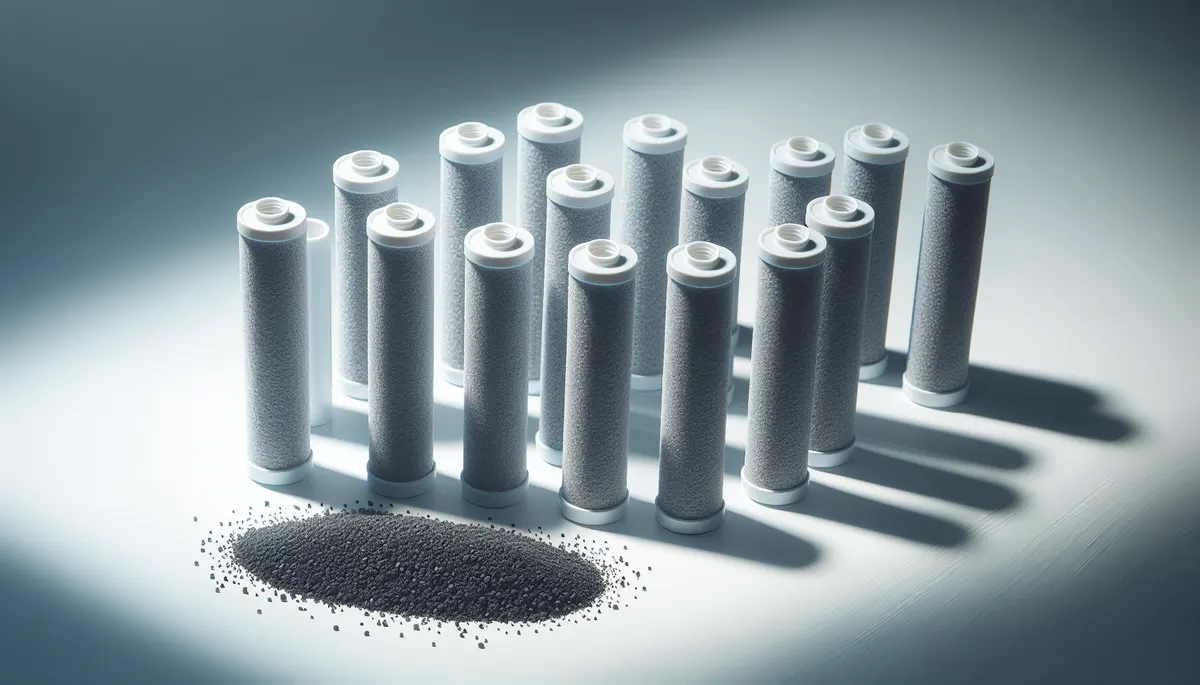
Activated carbon filters — both carbon block and granular activated carbon — are the workhorses of the filtration world. They are excellent at removing chlorine, volatile organic compounds, and improving taste and odor. Carbon block filters are denser and more effective than granular versions because the compressed structure forces water through more carbon surface area. A quality carbon block filter certified to NSF 53 can even reduce lead and cysts. These are the filters inside most pitchers, faucet mounts, and refrigerator filters. They are affordable, widely available, and effective for the most common municipal water concerns.
Sediment filters are the bouncers of the filtration world — they catch the big stuff so downstream filters do not get clogged. Available in ratings from 100 microns down to 1 micron, they trap sand, silt, rust particles, and scale. Every well water household should have one, and they are a smart addition to city water systems too. They do not remove chemicals or dissolved contaminants, so they are almost always used as a pre-filter stage rather than a standalone solution.
UV purification is the only filter type on this list that kills living organisms without adding chemicals. It is essential for well water systems where bacterial contamination is a risk. UV does not remove anything from the water physically — it just renders microorganisms unable to reproduce. That means you still need sediment and carbon filtration upstream to handle particles and chemicals. Think of UV as the final safety gate, not a complete solution on its own.
Ion exchange is the technology behind traditional water softeners. Resin beads swap calcium and magnesium ions (which cause hard water) for sodium or potassium ions. Specialized ion exchange resins can also target nitrates, barium, and radium. If your water is hard enough to scale your pipes and appliances, ion exchange is the proven fix — but it does add a small amount of sodium to your water, which is worth noting if you are on a low-sodium diet.
Ceramic filters have been used for centuries and remain popular in gravity-fed systems. The porous ceramic shell physically blocks bacteria and sediment, and many modern ceramic elements include silver impregnation to prevent bacterial growth within the filter itself. They are durable, long-lasting, and work without electricity or water pressure, which makes them popular for emergency preparedness and off-grid living.
KDF filters use a copper-zinc alloy that creates an electrochemical reaction to reduce chlorine, hydrogen sulfide, and some heavy metals. They are particularly useful in shower filters and hot water applications where carbon filters lose effectiveness. KDF media also inhibits bacterial and algal growth within the filter housing, which extends the life of the media and keeps the system sanitary.
This is one of the most common questions we get, and the answer is rarely either/or — it is usually both, or at least understanding which one solves your specific problem. A whole-house filter (also called point-of-entry or POE) treats every drop of water entering your home. A point-of-use filter (POU) treats water at a single tap — your kitchen sink, your refrigerator, or your shower.
Whole-house systems shine when you are dealing with water quality issues that affect your entire home. If your well water has heavy sediment, iron staining, or sulfur smell, you need a whole-house solution because those problems impact every faucet, appliance, and fixture. Whole-house carbon filters are excellent for removing chlorine from city water — your skin and hair will notice the difference in the shower, your laundry will last longer, and your dishwasher will not leave mineral spots. For well water, a whole-house setup might include a spin-down sediment pre-filter, a multi-media filter for iron and manganese, and a UV system for bacterial safety.
Point-of-use systems are the smart choice when your primary concern is drinking water quality. An under-sink reverse osmosis system delivers far more thorough contaminant removal than any whole-house system can practically achieve. RO membranes would be prohibitively expensive at whole-house flow rates, and you simply do not need RO-purified water for flushing toilets and watering the lawn. A countertop filter is another excellent POU option if you rent your home or do not want to modify your plumbing.
The ideal setup for most homes with known water quality issues is a layered approach: a whole-house sediment and carbon filter to handle the broad-spectrum stuff, combined with an under-sink RO or high-quality carbon block system at the kitchen tap for drinking and cooking water. This two-tier strategy gives you protected appliances, better-feeling showers, and the cleanest possible drinking water — without spending RO money on water you will never drink.
If budget forces you to choose just one, prioritize drinking water. The contaminants most dangerous to your health — lead, PFAS, arsenic, nitrates — are ingestion risks. A solid under-sink system addresses the highest-priority threat. You can always add a whole-house system later as your budget allows, or start with a simple whole-house sediment filter (under $100) to protect your plumbing while your under-sink system handles the heavy lifting at the kitchen tap.
Not every filter removes every contaminant, and this is where most people get tripped up. The marketing on filter packaging can be misleading — a filter might claim to "reduce" a long list of contaminants without specifying how much reduction you are actually getting. The gold standard is NSF/ANSI certification: NSF 42 for taste and odor (chlorine), NSF 53 for health-related contaminants (lead, cysts, VOCs), NSF 58 for reverse osmosis systems, and NSF 401 for emerging contaminants like pharmaceuticals and PFAS. Always look for the specific NSF certification that matches your target contaminant.
| Contaminant | Best Filter Type | Notes |
|---|---|---|
| Chlorine | Activated Carbon (block or GAC) | Most carbon filters remove 95%+ of free chlorine; even basic pitchers handle this well |
| Chloramine | Catalytic Carbon or Carbon Block | Standard carbon is less effective; catalytic carbon is specifically designed for chloramine |
| Lead | RO, Carbon Block (NSF 53), KDF | Must be NSF 53 certified for lead; not all carbon filters qualify |
| Fluoride | Reverse Osmosis, Activated Alumina, Bone Char | Standard carbon does not remove fluoride; RO removes 90%+ reliably |
| Bacteria & E. Coli | UV, Ceramic, RO, Ultrafiltration | UV kills but does not remove; RO and ceramic physically block bacteria |
| Sediment | Sediment Filter (1–50 micron) | Match micron rating to particle size; lower micron = finer filtration |
| Iron | Oxidation + Filtration, Ion Exchange, Birm Media | Ferrous (dissolved) iron needs oxidation first; ferric (particulate) iron caught by sediment filters |
| Nitrates | Reverse Osmosis, Ion Exchange (nitrate-selective resin) | Carbon filters do NOT remove nitrates; critical for well water near agriculture |
| PFAS | Activated Carbon (block), RO, Ion Exchange | NSF P473 certification specifically covers PFAS; granular carbon less effective than block |
| Arsenic | Reverse Osmosis, Activated Alumina, Iron-Based Adsorptive Media | Arsenic III must be oxidized to Arsenic V before most filters can remove it |
| Mercury | Carbon Block (NSF 53), RO, KDF | Inorganic mercury removed by most quality carbon blocks; organic mercury harder |
| Pesticides & Herbicides | Activated Carbon (block preferred), RO | Carbon adsorption is highly effective for most organic chemicals including atrazine and lindane |
A few things jump out from this table. First, reverse osmosis is the most versatile single technology — it handles the widest range of contaminants. If you are dealing with multiple problem contaminants or you simply want the broadest protection, RO is usually the answer. Second, activated carbon is more capable than most people realize, especially in carbon block form. A quality carbon block filter certified to NSF 53 handles chlorine, lead, VOCs, many pesticides, and even PFAS when properly certified. Third, no single filter handles everything — which is exactly why multi-stage systems exist.
For chloramine removal, standard activated carbon falls short. Chloramine is a more stable disinfectant than chlorine, and it requires either catalytic carbon (a specially treated form of activated carbon) or much longer contact time with standard carbon. If your city uses chloramine — and an increasing number do — make sure your filter specifically addresses it. A standard Brita pitcher, for example, does minimal chloramine reduction.
Fluoride is another contaminant that catches people off guard. Despite what some filter marketing implies, standard carbon filters do virtually nothing for fluoride. You need reverse osmosis, activated alumina, or bone char carbon for meaningful fluoride reduction. If fluoride removal is important to you, verify the filter's NSF 53 certification specifically lists fluoride — do not rely on general marketing claims.
For bacterial concerns, especially on well water, the approach depends on the type and level of contamination. E. coli and coliform bacteria can be addressed with UV purification, which is the most common solution for well water disinfection. Ceramic filters and reverse osmosis also provide a physical barrier against bacteria. If your well tests positive for bacteria, we recommend addressing the contamination source (well integrity, nearby septic systems) in addition to installing filtration — a filter alone should not be your only defense against ongoing bacterial contamination.
Iron in well water is one of the trickiest contaminants to filter because it exists in multiple forms. Ferric iron (the rusty, orange particles you can see) is relatively easy — a sediment filter catches it. Ferrous iron (dissolved, clear water that turns orange when exposed to air) requires oxidation before filtration. This is why iron removal systems typically include an aeration or chemical injection stage followed by a media filter. Iron bacteria, the slimy orange-brown growth in toilet tanks, is a biological problem that requires chlorination or UV treatment.
When you see a filter advertised as "3-stage" or "5-stage," it simply means the water passes through that many individual filter elements before reaching your glass. Each stage targets different contaminants, and the stages are arranged in a specific order for a reason. Understanding what each stage does helps you evaluate whether a system is genuinely thorough or just padding its stage count with redundant filters to look more impressive on the box.
A typical 2-stage system pairs a sediment pre-filter with an activated carbon filter. The sediment stage catches particles (sand, rust, dirt) that would otherwise clog the carbon and shorten its life. The carbon stage then handles chlorine, taste, odor, and chemical contaminants. This is the minimum effective setup for most city water, and honestly, a well-designed 2-stage system with quality media outperforms a poorly designed 5-stage system with cheap cartridges every time.
3-stage systems typically add a second carbon stage (often a finer carbon block after a GAC stage) or a specialized media for a targeted contaminant like lead or chloramine. The extra stage gives the water more contact time with carbon, which improves removal rates for stubborn contaminants. Some 3-stage systems replace the third carbon with a KDF or ion exchange stage for heavy metal reduction. These systems hit a sweet spot of effectiveness and affordability for most households.
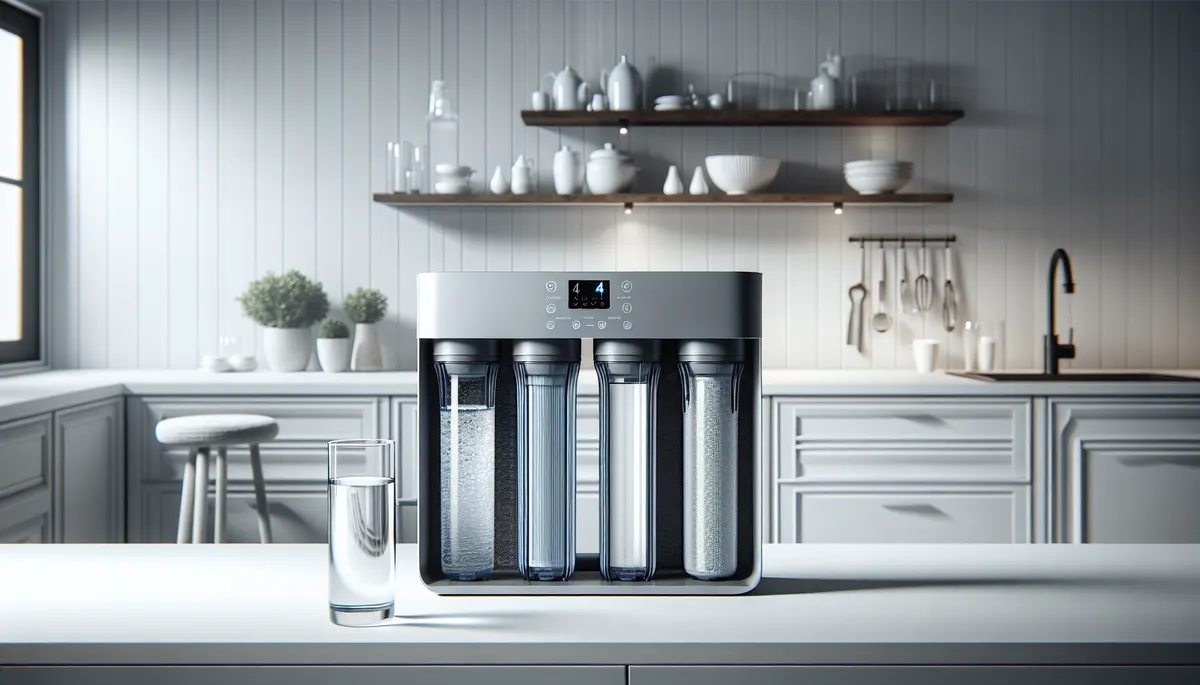
A 4-stage system usually indicates a reverse osmosis setup: sediment pre-filter, carbon pre-filter, RO membrane, and post-carbon polishing filter. The sediment and carbon stages protect the expensive RO membrane from damage and chlorine degradation. The RO membrane does the heavy contaminant removal. The post-carbon filter polishes the taste of the stored RO water, which can taste flat after the membrane strips everything out. This is the standard configuration for under-sink RO systems and represents excellent value.
5-stage and higher systems add stages like remineralization (adding back calcium and magnesium for taste and alkalinity), UV sterilization, or additional specialized media. A 5-stage RO system with a remineralization filter is arguably the most popular configuration in the residential market right now, and for good reason — it produces clean, great-tasting water with healthy mineral content. Beyond 5 stages, diminishing returns set in for most households. A 7-stage system is not necessarily better than a 5-stage one; it depends entirely on what those extra stages are doing and whether they address contaminants actually present in your water.
The key takeaway: more stages do not automatically mean better filtration. What matters is whether the stages are thoughtfully chosen for your water quality and whether the individual filter media are high quality. A 3-stage system with premium carbon block filters and NSF certifications will outperform a 6-stage system with generic, uncertified cartridges.
We take testing seriously because the claims on filter packaging often tell only part of the story. A filter might be "tested" by the manufacturer under ideal laboratory conditions — perfectly clean source water, exactly the right pressure, brand-new cartridge — that bear little resemblance to how the filter performs in your kitchen after three months of real-world use. Our evaluation process is designed to reflect actual household conditions as closely as possible.
Contaminant removal is the most important metric. We test the water going into the filter and the water coming out, measuring for the specific contaminants the filter claims to address. We use calibrated TDS meters for a quick dissolved solids snapshot, but we also send samples to certified labs for comprehensive analysis when evaluating higher-end systems. We pay close attention to whether the filter's real-world performance matches its NSF certifications and marketing claims.
Flow rate matters more than most people think. A filter that produces a trickle is frustrating to use, and frustration leads to people bypassing the filter or reverting to unfiltered water. We measure flow rate when the filter is new and again at the midpoint and endpoint of the cartridge's rated life. Some filters maintain consistent flow throughout their lifespan; others slow to a crawl as they load up with contaminants. Both pieces of information matter.
Taste is subjective but important. We do informal taste comparisons with unfiltered tap water, noting improvements in chlorine taste, metallic flavors, and overall freshness. For RO systems, we specifically check whether the water tastes flat or mineralized, since remineralization stages vary widely in effectiveness.
Installation difficulty is rated based on time required, tools needed, clarity of instructions, and whether the average homeowner can complete the job without professional help. We note whether all necessary hardware is included or if you will need extra trips to the hardware store. We also evaluate the quality of included fittings and connections — cheap plastic push-fittings are a leak waiting to happen.
Filter life and cost per gallon are where the real economics reveal themselves. A system with a low upfront price but expensive, short-lived cartridges quickly becomes the most expensive option over time. We calculate the total cost of ownership over a 2-year period, including the initial system, all replacement cartridges, and any consumables like UV bulbs or sanitization supplies. We present this as a cost-per-gallon figure so you can make apples-to-apples comparisons.
Build quality and durability round out our evaluation. We examine housing materials, fitting quality, membrane and cartridge construction, and overall design. Systems that use standard-sized cartridges earn extra points because you are not locked into proprietary (and typically overpriced) replacements. A well-built filter housing with quality O-rings and solid mounting hardware might cost more upfront but saves you headaches — and water damage — down the road.
A water filter is only as good as its maintenance. A neglected filter does not just stop working — it can actually make your water worse than unfiltered tap water. Bacteria can colonize old carbon media. Saturated filters can release trapped contaminants back into your water in a process called desorption. And a clogged filter drops your water pressure to the point where you are tempted to bypass it entirely. Keeping up with filter changes is not optional; it is the whole point.
General replacement schedules vary by filter type. Sediment pre-filters typically last 3 to 6 months depending on your water's particulate load. Activated carbon cartridges usually last 6 to 12 months or a specific gallon rating (often 500 to 1,000 gallons for under-sink systems). RO membranes are the long-lived component — 2 to 3 years is typical, though some last up to 5 years with well-maintained pre-filters protecting them. UV bulbs need annual replacement regardless of whether they still light up, because UV intensity drops below effective disinfection levels before the bulb actually burns out. Some carbon filters can be cleaned and partially restored, but this is a temporary measure, not a substitute for replacement.
Watch for these signs that your filter needs changing sooner than scheduled: a noticeable drop in water flow rate, the return of chlorine taste or odor, visible discoloration of the water, or a slimy or musty smell from the filter housing. If you notice any of these, replace the filter immediately — do not wait for the calendar to tell you it is time. Your water quality and usage patterns are unique, and manufacturer timelines are estimates based on average conditions.
The dangers of neglecting filter changes are real. Old carbon becomes a breeding ground for bacteria, especially in warm environments. Saturated lead-removal media can leach concentrated lead back into your water. And the biofilm that develops on neglected filter surfaces is genuinely unpleasant — both from a health and taste standpoint. Set a calendar reminder or use a filter system with a built-in change indicator. Most modern under-sink and whole-house systems include some kind of reminder mechanism, from simple stickers to digital monitors that track usage.
When you do change your filters, flush the new cartridges according to the manufacturer's instructions before drinking the water. Carbon filters in particular release fine carbon dust (called fines) during their first few gallons. This is harmless but produces cloudy, black-tinted water that is not appetizing. Run two to three gallons through the system and discard before using the water for drinking or cooking. For RO systems, discard the first full tank after a membrane change — the new membrane needs conditioning before it reaches optimal rejection rates.
It depends on the filter type. Standard activated carbon filters do not remove minerals — calcium, magnesium, potassium, and other dissolved minerals pass right through carbon media. This is actually a good thing, since these minerals contribute to taste and may have health benefits. Reverse osmosis, on the other hand, removes virtually everything including minerals. That is why quality RO systems include a remineralization stage to add back a controlled amount of calcium and magnesium. If preserving minerals is important to you, stick with carbon-based filtration or make sure your RO system has remineralization.
Not technically. "Filtered water" is a general term meaning the water has passed through some form of filtration — which could be anything from a basic pitcher filter to a sophisticated multi-stage system. "Purified water" has a specific definition: water that has been processed to remove at least 99.5% of dissolved solids, typically achieving less than 10 parts per million TDS. Reverse osmosis and distillation can produce purified water; carbon filtration alone cannot. Both filtered and purified water can be safe and healthy to drink. The distinction matters mainly for labeling purposes and specific applications like laboratory use or medical equipment.
City water is treated and monitored to meet EPA standards, so it is legally safe. But "legal" and "optimal" are not the same thing. Chlorine or chloramine disinfectants affect taste and can form disinfection byproducts. Aging infrastructure can introduce lead from old service lines and solder joints. PFAS contamination has been detected in water systems across the country. And EPA standards do not cover every contaminant of emerging concern. A basic carbon filter addresses the most common city water complaints (chlorine taste, VOCs) affordably. Whether you need more robust filtration depends on your local water quality report and your personal risk tolerance.
No single filter technology addresses every possible contaminant. Carbon excels at chemicals but does nothing for bacteria. UV kills microorganisms but does not remove chemicals. RO comes closest to a comprehensive solution but still benefits from pre-filtration and post-treatment. This is exactly why multi-stage systems exist — each stage contributes what it does best. The most complete residential filtration setup combines sediment pre-filtration, carbon for chemicals, RO or specialized media for dissolved contaminants, and UV for microbial safety. But most households do not need all of these stages. Match your filtration to your actual water quality, and you will get the protection you need without over-engineering the solution.
The size of particles a filter can trap, measured in micrometers. A 5-micron filter catches particles 5 micrometers and larger. Lower numbers mean finer filtration. For reference, a human hair is about 70 microns; most bacteria are 0.2 to 5 microns.
The rated production capacity of a reverse osmosis membrane. A 50 GPD membrane produces up to 50 gallons of purified water per day under ideal conditions. Actual output depends on water temperature, pressure, and TDS levels — expect 60–75% of the rated GPD in real-world conditions.
A measurement of all dissolved substances in water, expressed in parts per million (ppm). City water typically ranges from 50 to 500 ppm. TDS meters are useful for verifying RO system performance but are not a reliable indicator of water safety — pure mineral water has high TDS but is perfectly safe.
Independent third-party testing by NSF International that verifies a filter meets specific contaminant removal standards. Key certifications: NSF 42 (taste and odor), NSF 53 (health effects like lead and cysts), NSF 58 (reverse osmosis), NSF 401 (emerging contaminants), and NSF P473 (PFAS). Always look for the specific NSF standard, not just a generic "NSF certified" claim.
Carbon that has been treated with oxygen to create millions of microscopic pores, vastly increasing its surface area. One gram of activated carbon has a surface area of roughly 3,000 square meters. This massive surface area adsorbs (not absorbs) contaminants as water passes through. Made from coconut shells, wood, coal, or bamboo.
A thin-film composite (TFC) semipermeable membrane at the heart of a reverse osmosis system. Its pores are approximately 0.0001 microns — small enough to reject dissolved salts, metals, and most organic molecules. Membranes typically last 2 to 3 years with proper pre-filtration and should be replaced when rejection rates drop below 80%.
The process of reversing water flow through a filter media bed to flush out accumulated contaminants and prevent channeling. Common in whole-house iron filters, water softeners, and multi-media filters. Backwash cycles are usually automated by a control valve and send the dirty rinse water to a drain.
The flow rate of a filter system, critical for whole-house installations. A typical home needs 7 to 12 GPM at peak demand (multiple showers, dishwasher, and washing machine running simultaneously). Under-sizing your whole-house filter's GPM rating is the most common cause of pressure drop complaints.
how to Well water comes with its own set of challenges. Here's a 10-step walkthrough for installing a whole-house water filter on your well, from testing your water.
 roundup
 Excess copper in your water can be a real health concern, especially with older plumbing. These 10 filters tackle copper alongside chlorine, mercury.
 roundup
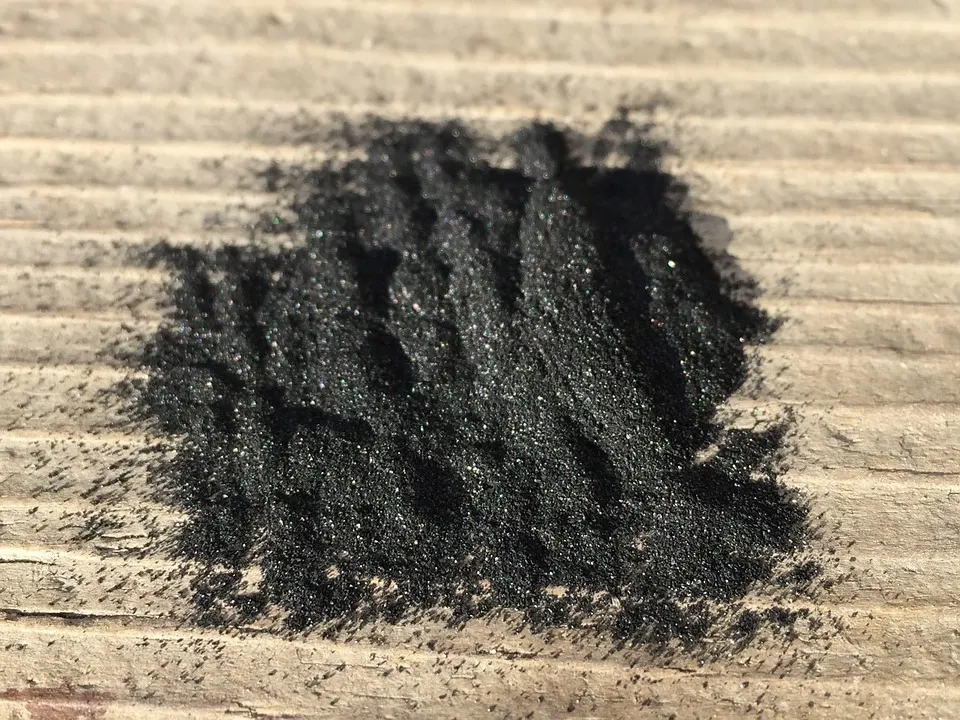
 Need activated charcoal in bulk for your water filter system? Here are 10 top options — from granular coconut shell carbon to bamboo sticks and carbon block.
 roundup
 Culligan has been in the water game since 1936. Here are their 10 best filters for whole house, under sink, shower, faucet, and RV use — all tested and rated.
 roundup
 Hard water wreaking havoc on your pipes and appliances? Citric acid filters tackle scale buildup without the hassle of salt. Here are 10 top-rated options.
 roundup
 Water ionizers have come a long way. We tested 10 electrolysis-based systems that produce alkaline and hydrogen-rich water. Find the best fit for your needs.
 roundup
 Water in your fuel line can destroy a marine engine fast. We rated 10 fuel-water separator filters for boats to find which ones keep contaminants out.
 guide
guide Got a leaking Brita faucet filter? Here's how to figure out where the leak is coming from, fix it without any tools, and keep your filter running smoothly.
 guide
guide Think your water filter removes fluoride? Most don't. Here's what you need to know about water fluoridation, the real health concerns, which filters actually.
 guide
guide A fruit filter water bottle flavors water with fruit but won't purify it. Compare center-rod, bottom-loading and juicer types, from budget bottles to insulated steel.
 roundup
 Living in an apartment doesn't mean you're stuck with bad water. We tested 10 filters — pitchers, faucet mounts, under-sink systems, and portable options.
 roundup
 Moisture kills air compressors and pneumatic tools. These 10 top-rated water separators keep your compressed air clean by removing water, oil.