 guide
guide Can I Bring an Empty Water Bottle on a Plane? What TSA Allows
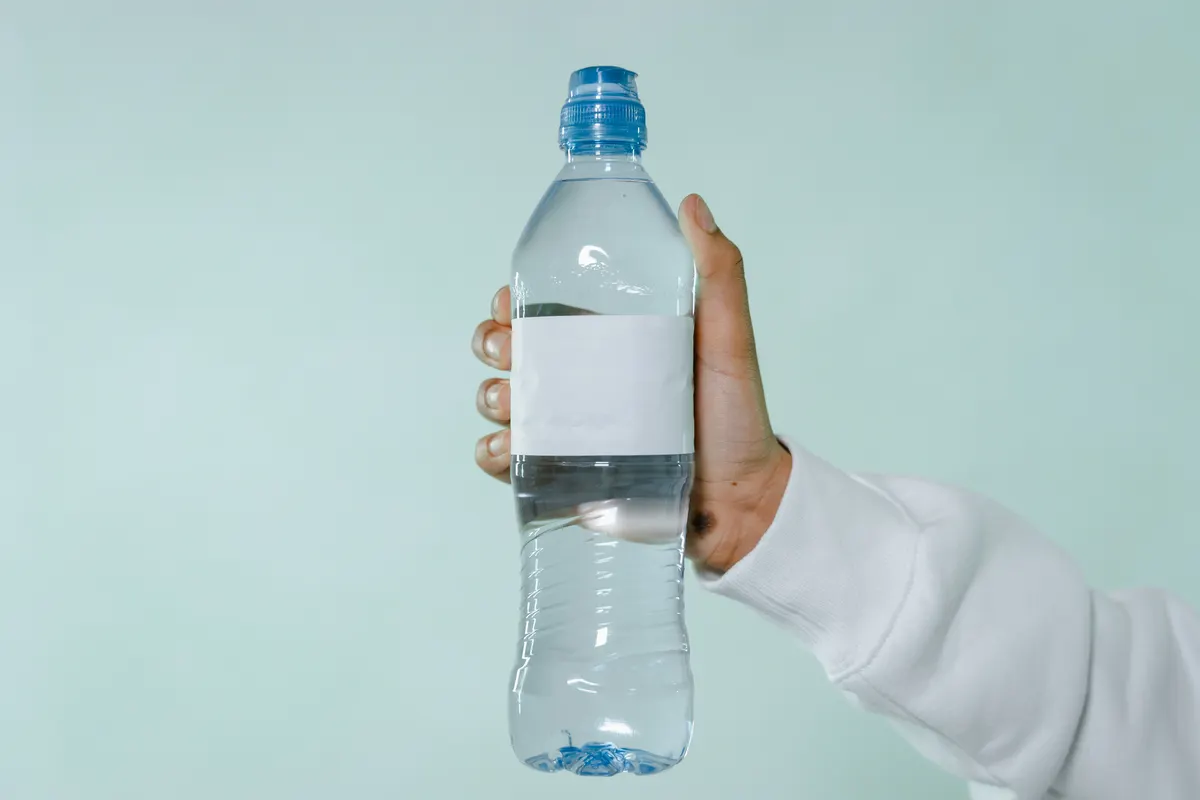
Yes, you can bring an empty water bottle on a plane. Get the TSA rule, the ice mistake that gets bottles tossed, where to refill, and the gate checks to expect.

Reviews, comparisons, and buying guides for every type of bottles we've tested and researched.
We may earn a small commission through links on this page, at no extra cost to you. As an Amazon Associate, we earn from qualifying purchases. Ratings reflect our own editorial evaluation.
If you're still buying cases of plastic water bottles every week, I have some math that might sting a little. The average American spends somewhere between $300 and $500 a year on bottled water. A decent filtered water bottle costs $25 to $60 upfront, with replacement filters running maybe $30 to $50 per year after that. You don't need a finance degree to see where this is going. Over two or three years, a filtered bottle pays for itself many times over — and the water quality is often just as good, if not better, than what comes in those single-use plastic bottles.
Then there's the convenience factor, which honestly surprised me more than the savings. Having a filtered water bottle means you can fill up from virtually any tap — at the office, the gym, an airport water fountain, a hotel bathroom sink — and actually enjoy what you're drinking. No more hunting for a vending machine. No more carrying around a heavy pack of bottles from Costco. You just fill, sip, and move on. It sounds small, but once you make the switch, you realize how much friction bottled water actually adds to your day.
The environmental argument is hard to ignore too. We produce roughly 500 billion plastic bottles globally every year, and less than 30% get recycled. The rest end up in landfills and oceans, where they take around 450 years to decompose. One person switching to a reusable filtered bottle eliminates an estimated 150 to 200 single-use bottles per year. Multiply that across a household and you're talking about real impact — not just feel-good eco-theater.
And for anyone who travels, hikes, or just spends a lot of time away from home, filtered water bottles are a genuine game-changer. International travel is the obvious use case — being able to fill your bottle from a tap in Mexico City or Hanoi without worrying about getting sick is incredibly freeing. But even domestically, if you're hiking in the backcountry or camping at a site with questionable well water, a good filtered bottle gives you peace of mind. The technology has gotten remarkably good in the last few years, and there are now bottles designed for virtually every scenario you can think of.
| Type | How It Works | Best For | Filter Life |
|---|---|---|---|
| Activated Carbon | Water passes through a carbon block or granular carbon that adsorbs contaminants | Daily use, tap water improvement | 2–4 months (40–100 gal) |
| Charcoal (Binchotan) | Japanese oak charcoal stick sits in the bottle, slowly adsorbing impurities | Low-maintenance, eco-conscious users | 3–6 months per stick |
| UV Purifier | UV-C light kills bacteria, viruses, and protozoa in 60–90 seconds | Travel, questionable water sources | Battery-powered (varies) |
| Straw / Squeeze | Hollow-fiber membrane filters as you suck or squeeze water through | Hiking, backpacking, survival | Up to 100,000 gal |
| Infuser (Fruit) | Built-in basket holds fruit or herbs; flavors water naturally (no filtration) | Flavor without additives | N/A (no filter) |
| Stainless Steel with Filter | Insulated steel body with an integrated carbon or hollow-fiber filter | Durability + filtration | 2–4 months (varies) |
Activated carbon is the most common type you'll find on store shelves, and for good reason. Carbon filtration does an excellent job of removing chlorine, sediment, and volatile organic compounds (VOCs) that make tap water taste off. Brands like Brita and LifeStraw use this approach. The filters are inexpensive to replace and the bottles themselves are usually lightweight plastic or Tritan. If your main goal is making municipal tap water taste better, activated carbon is the most cost-effective path. The trade-off is that these filters won't remove bacteria or viruses, so they're designed for water that's already been treated.
Binchotan charcoal bottles take a different, more traditional approach. A stick of Japanese white charcoal sits right in the water, slowly drawing out chlorine and mineraling the water with calcium, potassium, and magnesium. I've written a full breakdown of charcoal filter water bottles if you want to dig deeper into how these work. They're elegant, zero-waste, and appeal to people who want a more natural, low-tech solution. The filtration isn't as aggressive as carbon blocks, but for already-treated tap water, they work surprisingly well.
If you need to deal with biological contaminants — bacteria, viruses, protozoa — you're looking at either UV purifier bottles or straw/squeeze-style filters with hollow-fiber membranes. UV bottles are slick: press a button, wait 60 seconds, and the UV-C light neutralizes 99.99% of harmful microorganisms. Straw filters like the Sawyer Mini take a mechanical approach, using pores small enough (0.1 microns) that nothing living gets through. Both approaches have their place, and I'll get into when to choose which in the travel and hiking section below.
Stainless steel bottles with built-in filters combine two things people want: the durability and insulation of a metal bottle with the convenience of on-the-go filtration. These tend to cost more upfront, but they're built to last years. The insulation keeps your water cold for hours, which is a real perk in the summer months. And then there are fruit infuser bottles, which technically aren't "filtered" bottles at all — they just have a built-in basket for adding fruit or herbs — but they solve a similar problem of making water more enjoyable to drink without resorting to sugary alternatives.
This is probably the most important section on this page, because there's a lot of confusion — and, frankly, some misleading marketing — around what filtered water bottles can and can't do. Let me break it down honestly.
Most filtered water bottles use activated carbon as their primary filtration media. Carbon is excellent at removing chlorine, chloramine, some pesticides and herbicides, volatile organic compounds (VOCs), and the taste and odor compounds that make tap water unpleasant. Many carbon filters also reduce some heavy metals like lead, mercury, and copper, though the degree of removal varies significantly by brand and filter quality. If a filter is NSF/ANSI 42 certified, that means it's been independently tested for aesthetic improvements (taste, odor, chlorine). NSF/ANSI 53 certification means it's been tested for health-related contaminants like lead. Look for those certifications — they matter.
Here's what standard carbon-filter bottles do not remove: bacteria, viruses, parasites, fluoride, nitrates, dissolved salts (TDS), and most pharmaceutical residues. This is a critical distinction. If you're filling your bottle from a municipal tap in the US, Canada, Europe, or any developed country with treated water, a carbon filter is perfectly fine — the water has already been disinfected. But if you're filling from a stream, a well, or a tap in a country without reliable water treatment, a carbon-only filter is not sufficient to keep you safe.
For biological contaminants, you need either a hollow-fiber membrane filter (like those in straw-style and squeeze filters) or a UV purifier. Hollow-fiber membranes with a 0.1-micron pore size physically block bacteria (like E. coli and Salmonella) and protozoa (like Giardia and Cryptosporidium). Some advanced models combine hollow-fiber with activated carbon and an electrostatic element to also capture some viruses, though most standalone straw filters don't reliably handle viruses. UV purifiers kill everything biological — bacteria, viruses, and protozoa — but they don't remove chemical contaminants or improve taste. That's why serious travel filtration systems often combine multiple technologies.
When do you need more serious filtration? If you're backpacking or in a survival situation where your water source is a river, lake, or puddle, you need at minimum a hollow-fiber filter for bacteria and protozoa. For international travel to regions with poor water infrastructure, a UV purifier or a bottle with virus-rated filtration is the safer choice. And for home use where you want to remove a broader range of contaminants — fluoride, arsenic, nitrates — you're really looking at a reverse osmosis system rather than a bottle. The Sawyer Mini remains one of the best-value options for backcountry filtration if you need something beyond what a standard carbon bottle provides.
Choosing a filtered water bottle comes down to four questions: where will you use it, what material do you want, how much are you willing to spend on replacement filters, and what size do you need? Let me walk through each one.
Use case is everything. A bottle that's perfect for your daily commute is completely wrong for a backpacking trip, and vice versa. For everyday use — office, gym, errands — a standard activated carbon bottle is your best bet. It's lightweight, the filtration is fast (no waiting or squeezing), and the filters are cheap and easy to swap. For hiking and camping, you want a straw or squeeze filter with a hollow-fiber membrane that can handle untreated water sources. For international travel, especially to developing countries, prioritize a bottle with UV purification or a filter rated for viruses. And for the gym specifically, some people prefer insulated stainless steel bottles with filters because they keep water cold through a long workout.
Material matters more than most people realize. Plastic bottles (usually Tritan, a BPA-free copolyester) are the lightest and cheapest option, which makes them great for hiking and everyday carry. Stainless steel bottles are heavier but far more durable, often double-wall vacuum insulated, and won't retain flavors or odors over time. Glass bottles are the cleanest-tasting option but they're fragile and heavy — fine for the office, impractical for the trail. If you're primarily concerned about chemical leaching, stainless steel or glass gives you the most peace of mind.
Filter replacement cost is the hidden expense. That $30 bottle might have $10 filters that last two months, which means you're spending $60 a year on filters alone. A $60 bottle might have $15 filters that last six months — $30 a year. Always do the math on total cost of ownership over a year or two before buying. Some bottles, like those with Binchotan charcoal sticks, have very low ongoing costs since a single stick lasts months and costs only a few dollars. Others, especially UV purifier bottles, may need occasional battery or bulb replacement. Read the fine print.
Size is deceptively important. If you're wondering about specifics, I've covered how many ounces are in a standard water bottle and the ml equivalents in separate guides. For most adults, a 20- to 24-ounce bottle hits the sweet spot — large enough that you're not constantly refilling, small enough to fit in a bag or cup holder. Hikers and gym-goers often prefer 32 ounces. And if you're worried about whether a bottle will fit in your bag, backpack, or car cup holder, check out my piece on water bottle dimensions. Those few extra ounces can make a real difference in whether you actually carry the bottle every day or leave it at home.
Travel and hiking are where filtered water bottles really prove their worth — but they're also where choosing the wrong bottle can have serious consequences. Let me be specific about what you need for different scenarios.
International travel to regions with untreated or undertreated water (much of Southeast Asia, parts of Central and South America, Africa, the Indian subcontinent) requires a bottle that can handle viruses in addition to bacteria and protozoa. This is the key distinction that trips people up. Standard hollow-fiber filters like the Sawyer Mini remove bacteria and protozoa but don't reliably catch viruses, which are much smaller (0.02 microns vs. 0.1 microns). For virus protection, you want either a UV purifier bottle or a filter bottle with a specific virus-removal rating (some use electrostatic media or iodine-impregnated elements to achieve this). A UV bottle is my go-to recommendation for international travel because it's fast, effective against all biological threats, and doesn't restrict flow rate.
Backpacking and hiking in North America is a different situation. The primary biological threats in backcountry water are bacteria (E. coli, Salmonella) and protozoa (Giardia, Cryptosporidium). Viruses are extremely rare in North American wilderness water. So a standard hollow-fiber straw or squeeze filter is perfectly adequate and has the massive advantage of not needing batteries. These filters are also incredibly long-lasting — the Sawyer Mini is rated for 100,000 gallons, which means you'll likely never need to replace the filter. I keep a guide to filtering water in the wild that covers the full range of backcountry filtration options if you want to go deeper.
Here's a practical concern that a lot of filtered bottle guides skip: TSA rules. You cannot bring a bottle filled with water through airport security — filtered or not. But you absolutely can bring an empty water bottle through TSA and fill it at a water fountain or bottle-fill station on the other side. I've covered all the specifics in my post on bringing an empty water bottle on a plane. Most airports now have filtered water stations, but if you're connecting through a smaller or international airport, having your own filtered bottle means you don't have to gamble on what's available.
One more travel consideration: weight and packability. Stainless steel insulated bottles are great at home, but when you're packing a daypack for a 12-mile hike or cramming everything into a carry-on, every ounce matters. Collapsible squeeze bottles (like those from Sawyer or Katadyn) weigh almost nothing when empty and pack flat. For backpacking trips, they're far more practical than a rigid bottle, even if they're less convenient for daily use.
If you're heading into truly remote areas or survival situations, consider pairing your filtered bottle with purification tablets as a backup. Filters can clog, batteries can die, and UV bulbs can fail. Redundancy isn't paranoid — it's smart.
A filtered water bottle is only as good as its maintenance, and neglecting your filter or your bottle hygiene can actually make your water quality worse than unfiltered tap water. I'm not saying that to scare you — just to motivate you to follow a few simple routines.
Filter replacement schedules vary widely, and it's important to follow the manufacturer's recommendation for your specific bottle. Activated carbon filters typically last 2 to 4 months or 40 to 100 gallons, whichever comes first. Binchotan charcoal sticks usually last 3 to 6 months. Hollow-fiber membrane filters (straw and squeeze types) can last much longer — the Sawyer Mini's rated for 100,000 gallons — but they need periodic backflushing to maintain flow rate. UV purifier bottles typically need bulb or battery replacement after several thousand cycles. Set a calendar reminder on your phone. Seriously — the number one reason people get bad-tasting water from their filtered bottle is an overdue filter change.
Cleaning the bottle itself is just as important as replacing the filter. Even with filtered water, bacteria can colonize the inside of your bottle, especially around the mouthpiece, the straw, and any rubber gaskets or seals. Wash your bottle with warm water and mild dish soap every day you use it. Once a week, do a deeper clean: remove the filter, disassemble any removable parts, and scrub everything with a bottle brush. For stubborn odors, a tablespoon of baking soda dissolved in warm water, left to soak for an hour, works wonders. White vinegar works too.
How do you know when your filter is spent? The most obvious sign is reduced flow rate — if you're sucking hard through a straw filter and barely getting water, or if your carbon filter bottle is draining much more slowly than it used to, the filter is either clogged or saturated. With carbon filters, a return of chlorine taste or odor is another clear indicator. Some bottles have filter-life indicators (physical or electronic), which are helpful but not always perfectly accurate. When in doubt, replace it. Filters are cheap; getting sick isn't.
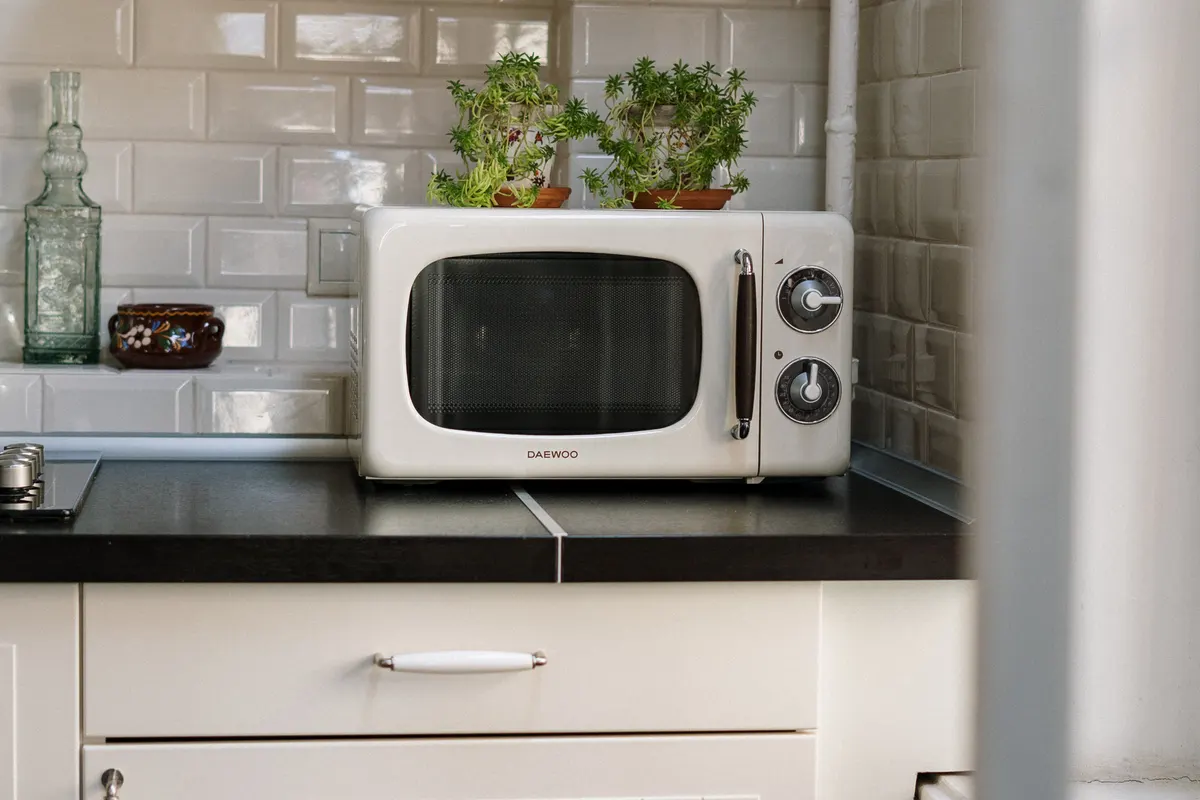
One question I get asked surprisingly often: can you microwave a water bottle? The short answer for filtered bottles is no — absolutely not. The filter media, any plastic components, and metal elements will not survive a microwave. If you want warm filtered water, filter it first, pour it into a microwave-safe container, and heat it there. And never put your filtered bottle in the dishwasher unless the manufacturer explicitly says it's dishwasher-safe (most filters are not).
A filtered water bottle is one tool in a broader water filtration ecosystem, and it's worth understanding where bottles excel and where other solutions make more sense. I'm a big believer in using the right tool for the job.
Filtered bottles are ideal when you need clean water on the go, you're the only person drinking, and your source water is either already treated (municipal tap) or you have the right filter type for untreated sources. They're portable, require no installation, and have zero upfront cost beyond the bottle itself. For a single person who mostly drinks water outside the house — at work, the gym, while commuting — a filtered bottle may genuinely be all the filtration you need.
Filtered bottles fall short when you need to filter large volumes (cooking, feeding a family), when you want to remove a wider range of contaminants (fluoride, nitrates, heavy metals), or when you want set-it-and-forget-it convenience at home. Filling a 20-ounce bottle six times to cook a pot of pasta is nobody's idea of a good time. For home use, a countertop water filter or a filter pitcher is more practical for volume. And if you're serious about removing everything — including dissolved solids, fluoride, and pharmaceuticals — a reverse osmosis system is the gold standard that no bottle can match.
Let's talk cost per gallon, because this is where the comparison gets interesting. Bottled water runs about $1 to $2 per gallon. A filtered water bottle, factoring in filter replacements, costs roughly $0.10 to $0.20 per gallon. A filter pitcher like a Brita is about $0.05 to $0.10 per gallon. A countertop filter or under-sink system is about $0.02 to $0.05 per gallon. And a whole-house system is even cheaper per gallon over its lifespan, though the upfront cost is significant. The takeaway: filtered bottles are far cheaper than buying bottled water, but more expensive per gallon than home-based systems. They win on portability, not on per-gallon economics.
Alkaline water filter pitchers are another popular alternative worth mentioning. These raise the pH of your water while filtering out contaminants, which some people prefer for taste or for claimed health benefits. They're a solid choice for home use when you want filtered water ready to pour in the fridge, but obviously they don't travel with you. Many people end up using both — a pitcher at home and a filtered bottle for on the go — which is a combination that covers all your bases without a major investment.
The water filtration world loves its jargon. Here are the terms you'll encounter most often when shopping for a filtered water bottle, explained in plain English.
Activated Carbon — Carbon (usually from coconut shells) that's been treated to create millions of tiny pores, massively increasing its surface area. These pores trap (adsorb) contaminants like chlorine, VOCs, and some heavy metals as water passes through. It's the most common filtration media in water bottles.
BPA-Free — Means the product contains no bisphenol A, an industrial chemical used in certain plastics that can leach into water and may have health effects. Virtually all modern water bottles marketed today are BPA-free, using Tritan copolyester or other alternative plastics instead.
Binchotan Charcoal — A traditional Japanese activated charcoal made from oak branches, fired at extremely high temperatures. Used as a water purification stick that sits directly in your bottle, it adsorbs chlorine and some organic impurities while releasing beneficial minerals. Reusable for months and fully compostable when spent.
UV-C Purification — Uses ultraviolet light at the 254-nanometer wavelength to destroy the DNA of bacteria, viruses, and protozoa, rendering them unable to reproduce and cause illness. Effective against biological contaminants but does nothing for chemical contaminants or taste. Requires batteries or USB charging.
Micron Rating — The size of the pores in a filter, measured in micrometers. A 0.1-micron filter blocks bacteria and protozoa. A 0.02-micron filter also blocks most viruses. A 0.5-micron carbon block filter captures sediment and some cysts but not bacteria. Lower numbers mean finer filtration — but also slower flow rates.
Flow Rate — How quickly water passes through the filter, usually measured in liters or ounces per minute. Higher flow rates mean less effort (especially important for straw-style filters where you're creating suction). Carbon block filters generally have faster flow rates than hollow-fiber membranes. Flow rate decreases as filters clog, which is your signal to backflush or replace.
NSF Certification — An independent, third-party certification from NSF International that verifies a filter meets specific performance standards. NSF/ANSI 42 covers aesthetic effects (chlorine, taste, odor). NSF/ANSI 53 covers health-related contaminants (lead, cysts, VOCs). NSF/ANSI 55 covers UV treatment systems. Always prioritize products with NSF certification over those making unverified claims.
Infuser — A perforated basket or cage built into a water bottle that holds sliced fruit, herbs, cucumber, or other ingredients, allowing their flavors to diffuse into the water. Not a filter in the water purification sense — purely for flavor enhancement. Popular as a healthy alternative to sugary drinks and artificial flavorings.
guide Yes, you can bring an empty water bottle on a plane. Get the TSA rule, the ice mistake that gets bottles tossed, where to refill, and the gate checks to expect.
 guide
guide A standard water bottle is 16.9 oz (500 mL). See the full size chart for every common bottle type, conversion formulas, and daily intake guidelines.
 guide
guide It depends on the material. Some water bottles are microwave-safe, others will melt or spark. Here's how to tell the difference and heat water safely in any.
 guide
guide Standard water bottles range from 250 mL to 1,000 mL. Use this quick size chart with conversions to find the right bottle capacity for your needs.
 guide
guide How tall is a water bottle? A standard 16.9 oz bottle is about 8 inches (20.3 cm). Get real heights for 8 to 40 oz bottles, widths and how to measure yours.