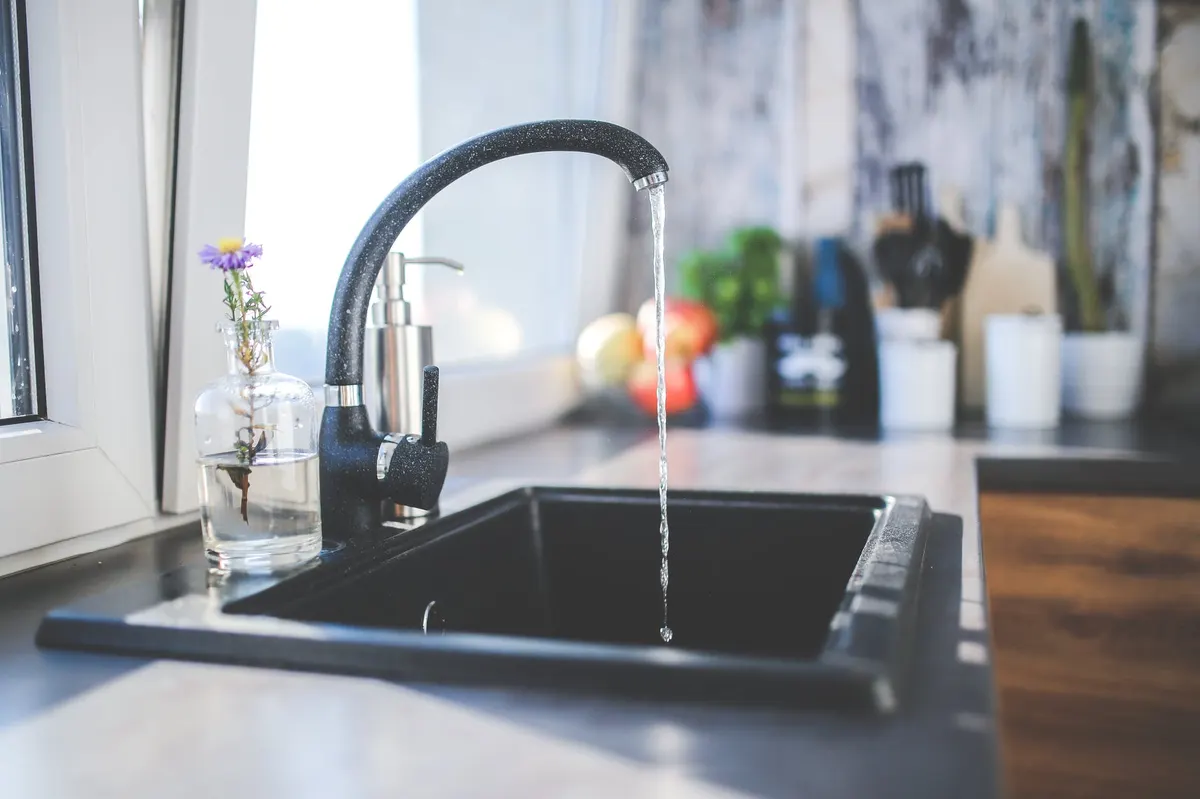
There’s nothing more annoying than walking up to your kitchen faucet and finding water dripping where it shouldn’t be. A leaking Brita filter is a common issue, but the good news is it’s almost always fixable — and usually pretty quickly.
Whether it’s a bad seal, a worn-out cartridge, or just an installation hiccup, we’ll walk you through exactly what’s going on and how to sort it out.
When Your Brita Faucet Filter Is Leaking
The Problem With a Leaking Filter
But what do you do if you hurriedly run to your faucet but your trusted tap water faucet filter is leaking? One of the main functions of a faucet water filter system is to generally improve the quality of the water being filtered.
It’s very important for a household to install one for clean drinking water. However, part of having this kind of system is maintenance, particularly dealing with a leaking faucet filter.
What are the things to do when a faucet filter is leaking? In this article, we walk you through the leak sources and replacement guides.
We also cover how to properly install the faucet filter, how to maintain a clean and long-lasting filter, and why it’s important to have one.
What Is a Brita Faucet Filter?
We all know that water dispensed from faucets may not be fully suitable for drinking, consumption, and cooking purposes. Brita faucet filters aim to provide you with healthy, great-tasting tap water at home.
This is the result of eliminating over 60 contaminants including chlorine, asbestos, benzene, ibuprofen, and Bisphenol A (BPA). It also reduces 99% of lead present in your water.
Brita claims to be NSF/ANSI Standard 53, 42, and 401 certified for the stated chemical reduction through filtration. If this gets your interest, you may want to check the performance data on their website.
They have different kinds of filters according to your specific needs.
Each filter caters to your clean water needs and comes with an easy-to-install setup. The latest version allows you to switch from filtered to unfiltered water based on your preference.
However, the reliability of these filters also depends on your usage patterns and water quality. Your specific water conditions will determine how long the filters last.
Where Is the Leak Coming From?
All leaks are unintended or undesired, so it’s very important to check where the leak is coming from before proceeding with any repair work. Identifying the source will help you know what steps to take for repair.
It will also save you from further damaging the system and will protect your warranty claim. You’ll have more time to do other chores after eliminating those impossible causes of leaks first.
Water leaks or sprays may come from the connection of the system to the faucet or from the system itself. Once the source of the leak is identified, you can proceed with the repair.
Connection of the System to the Faucet
Improper installation of the faucet filter may lead to future leaks. The faucet filter must not be too loose or too tight, as either can cause bigger problems including stripped threads.
At this point, carefully check the condition of the washer between the faucet and adapter. Always remember to put the washer in contact with the faucet and not in the mounting collar, as incorrect placement can cause water spray.
Every Brita water faucet filter comes with a handy instruction manual that will save you trouble. Connecting the system to your faucet is straightforward but requires careful attention to detail.
Leaks Coming From the System Itself
Securing proper filter cartridge position will be sure to you get long service ahead. If the cartridge isn’t properly seated, it will surely cause water sprays.
Prior to installation, the quality of the material must be given attention. Make sure that you get what you pay for by inspecting the product before use, including the water filter O-ring.
Early detection from inspection is always better than having to return the product later.
Leaks can also be from accumulated sediments trapped inside the system. When this happens, the flow rate of the filtered water slows down significantly.
This can cause the system to become overfilled, and subsequently water will find its way out of the filter system, producing leaks. Once you notice that the flow rate is slow, immediately remove the system and check the strainer from the mounting collar.
Reattach the system, and if the flow rate is still slow, you must replace the filter cartridge. This may be caused by very high sediment buildup that clogs the filter prematurely before its typical end of life.
It only means the system is doing its job by removing sediments from the tap water.
When to Replace
The Brita water filters for faucets are smartly designed with color-coded indicators that make tracking filter usage easy.
Here are the color indicators and what each one means:
- GREEN indicates that the system has been installed completely and is working properly for ideal performance
- Half RED and GREEN indicates that the system is getting ready for replacement soon, with approximately two weeks or 20 gallons of filter life remaining
- RED indicates that the filter has reached the end of its life cycle and needs to be replaced immediately
The Brita water faucet filter replacement indicator is guaranteed to last up to 5 years depending on your usage patterns.
How to Replace Brita Water Filters
Identifying leak sources will let you fix the problem correctly. Most of the time, replacing the filter is the most practical solution.
Replacing the Brita water faucet filter is as easy as the installation procedure. There’s no need for any mechanical tools.
Before doing anything, make sure that the water valve is shut down.
Remove the Old Filter Cartridge
First, remove the old filter cartridge attached to the water faucet. Press the "Filter cartridge release button" at the back of the filter cup and pull up. Dispose of the old water filter cartridge properly.
Align the New Filter Cartridge
Align the new water filter cartridge against the insert groove. Using one hand as support for the base of the filter cup, lift the new cartridge and put it inside until it clicks.
Set the Filter Handle
Make sure that the faucet filter handle is turned to the Brita water setting. Only water from the filter port is filtered, and all other water output is unfiltered.
Flush the New Filter
Let the filter run for about five minutes to properly flush the newly installed cartridge before use. It's normal to see carbon dust during this step.
The click sound confirms that you’ve successfully inserted the new cartridge. This also means the electronic filter replacement indicator has been automatically reset and reactivated.
If the indicator doesn’t reset upon insertion, remove the filter from the base and press the metal pin a few times until you see a solid green light. Then reinsert the filter and you should be good to go.
Always make sure that whenever you remove the cartridge filter, you replace it with a new one. Putting back an old used unit will reset the replacement warning period, giving you false guidance and warning.
After aligning the new cartridge, it should look like an extension coming out of the faucet with the filter cup facing upwards with an open mouth.
Removal of Filter for Cleaning Purpose
If you intend to clean the filter by rinsing or wiping it off, remember to insert back the cartridge filter within thirty seconds while the warning indicator light is still green. This will prevent the system from an automatic reset.
Choose the Appropriate Faucet Mount for You
If you feel that you’re not satisfied with the performance of your faucet filter, you may want to reassess if you acquired the appropriate Brita water faucet filter for your needs. They offer both the Brita Faucet Mount Filtration Complete system and the Brita Faucet Mount Filtration Basic system. If a faucet mount doesn’t suit your needs, you might also consider an under-sink water filter setup.
The Complete system advances beyond the Basic since this version gives three flow options. You can have filtered water for cooking or drinking, or you can switch to a spray or stream of water for dishes and cleaning.
In addition, the Complete system has a built-in LED filter change indicator, while the Basic filtration system has a standard filter indicator. Both systems use the same cartridge filter, the FR200.
Importance of Regular Filter Replacement
Always remember that changing your filters on time will produce better results. Continuous use of old filters defeats the major purpose of securing clean water free of contaminants. This is one of the key dangers of not changing your water filter on time.
All the dirt will accumulate in the system that you and your family use for water intake every day. The best indicator of this problem is when you suddenly notice that the smell and taste of water changes.
Fresh Filter Benefits
A fresh filter means fresher water. A clean Brita faucet filter will lessen the impurities in the water and will produce better-tasting water, which means you’ll drink more.
We all know the endless benefits of drinking lots of water. Money wise, Brita replacement filters are inexpensive and will require you to change them every 378 liters or approximately 3 to 4 months of use.
How to Properly Install
Installing this system doesn’t require hours or advanced plumbing tools. Brita water faucet filter is made for quick and easy installation.
Remove the Aerator
Locate and remove the aerator from the faucet, then clean the exposed area. The water faucet aerator protects the water from flowing into one big stream, thus saving water. It's often located at the tip of the faucet.
Check the Faucet Threads
Examine the water faucet threads and determine if you need to use an adapter. If your faucet has outside threads, you'll certainly not need an adapter. For inside threads, get the appropriate washer and adapter. This will help check that the effective compatibility of the different parts of the filter system. Brita always provides washers and adapters just in case they're needed.
Install the Base System
Install the base system to your faucet with the filter replacement indicator facing you. Make sure the components are level and not forcefully twisted. Over-tightening isn't recommended.
Insert the Filter Cartridge
While supporting and aligning the filter system, insert the filter cartridge. Pull the filter slightly to make sure it's fitted well and secure.
Flush the System
The water used must be cold water. Flush the system for up to five minutes. It's normal to see carbon dust during this step. The time allotted for flushing is critical, and the 100-gallon filter life begins after this flushing period. The filter is now ready to use.
Over-tightening will lead to stripping the faucet threads, which causes fit issues down the road. Take note that the Brita faucet filter system can’t be installed on a faucet with a built-in spray feature at the end.
How to Maintain a Clean and Long Lasting Filter
There are several factors affecting the performance of the Brita faucet filter. You can use these insights to fully optimize the capability of your filter system.
- Brita filters are designed for cold water only, not exceeding 38 degrees Celsius
- Water hotter than this will cause filter damage and poor performance
- You can use hot water by switching the flow to “unfiltered water”
- Brita filter is not designed for treating microbiologically unsafe water
- If unsure about your water safety, contact your tap water provider
- Don’t press the filter cartridge release button while filtering water
- After a long idle period, flush the faucet filter for 30 seconds before use
- Prior to every use, let water flow for five seconds to activate
- Avoid putting any parts of the equipment in the dishwasher
- Use only a soft sponge to clean the outside part, never steel wool
The ability of the Brita faucet filter will decrease over time as proof of its function. It’s recommended to replace it regularly, especially after the appearance of solid red on your replacement indicator.
There will be instances when you may need to replace it earlier than expected. If you observe that the water flow has slowed and reduced, replace the filter immediately.
Take note that only water coming out the filter port is filtered. Water from external parts is unfiltered and shouldn’t be used for drinking.
How Valuable Is Brita Water Faucet Filter?
After all the effort in restoring, replacing, and installing your Brita faucet filter system, you may wonder whether it’s worth the trouble. The answer is absolutely yes, and here are the reasons why.
Convenient Way to Get Cleaner Water
The Brita water faucet filter was made to be an easy and convenient way to get healthier, great-tasting water from your faucet. It reduces the contaminants found in tap water using its lightweight faucet filter system.
The Brita water faucet filter produces continuous clean and quality filtered water as long as it’s used and maintained properly. It’s a hassle-free system because it only takes minutes to set up.
Having access to tap water means cleaner water is always within grasp with this kind of faucet filter system.
Less Waste Generated
Using one Brita water faucet filter system with 5 replacement cartridge filters is equivalent to 3,566 plastic bottled water purchases per year. If clean water is easily accessible at every faucet, we can reduce the harmful environmental impact of plastic bottles.
Each water bottle takes 1,000 years to decompose. Imagine reducing this number of disposable bottles going to landfills or into the ocean.
The Brita system, being an eco-friendly piece of equipment, helps us generate less waste while providing clean drinking water. It aids our commitment to reuse, reduce, and recycle, successively walking toward a better world.
Cost Efficiency
Having a Brita water faucet filter at home instantly means you’re saving money. Although there’s a one-time cost for purchasing the system, you’ll see how cost-effective it’s compared to single-use water bottles. If you’re looking for other affordable options, check out our guide on countertop water filters.
In a year, you could save approximately $940 from bottled water purchases that you no longer need to make. This money could be used for other home improvement plans.
Design Compatibility
Not only is the Brita faucet filter effective, it can also suit your kitchen decor setup. It saves space from your kitchen floor to your counter areas.
The typical water dispenser unit can be replaced by the Brita water filter faucet. Water bottles and pitchers may not be needed since you can get clean filtered water directly at your faucet.
Frequently Asked Questions
Almost always, it's a washer placement issue. Make sure the washer sits against the faucet itself, not up in the mounting collar. Also check that you haven't over-tightened things — cranking it too tight can strip the threads and actually make the leak worse.
Brita says every 100 gallons, which works out to roughly 3 to 4 months for most households. The color indicator makes it easy — green means you're good, half red/half green means it's time to start shopping for a replacement, and solid red means change it now.
Nope — Brita filters are strictly cold water only (nothing above 38 degrees Celsius). Running hot water through the filter can damage it and tank its performance. If you need hot water, just flip the switch to the unfiltered setting and you're good.
Look for a solid red indicator light, noticeably slower flow, water that tastes or smells off, or visible leaking. Any one of these signs means it's time to swap in a fresh cartridge.
Final Thoughts
When your Brita faucet filter starts leaking, a new cartridge is almost always the quickest fix. But you can also stay ahead of the problem by keeping an eye on the indicator light and replacing filters before they're completely spent.
Most Brita faucet filters last about four months with average household use, which is pretty predictable once you know your family's water habits.
If you've tried everything and the leaking persists, it might be worth looking at a different Brita model — they offer several faucet mount options, and a different one might work better with your setup.
At the end of the day, a Brita faucet filter is one of the easiest ways to get cleaner water at home. A little maintenance goes a long way.
When your Brita faucet filter is leaking, check the washer placement first, then inspect the filter cartridge for proper seating. Most leaks are resolved by replacing the cartridge, which should be done every 3-4 months or when the indicator turns red.