Gravity water filters are about as simple as it gets — pour water in the top, gravity pulls it through the filter, and clean water collects at the bottom. No electricity, no plumbing, and they’re surprisingly affordable.
We’ve tested 10 of the best options, from everyday Brita pitchers to ZeroWater’s 5-stage systems. Here’s what you need to know to pick the right one.
These BPA-free filters fit all Brita pitchers and dispensers, removing chlorine taste and odor plus mercury, zinc, copper, and cadmium. Each filter replaces 300 standard water bottles and lasts approximately 40 gallons.
Quick Comparison Chart
| # | Gravity Water Filter | Our Rating | ||
|---|---|---|---|---|
| 1 | 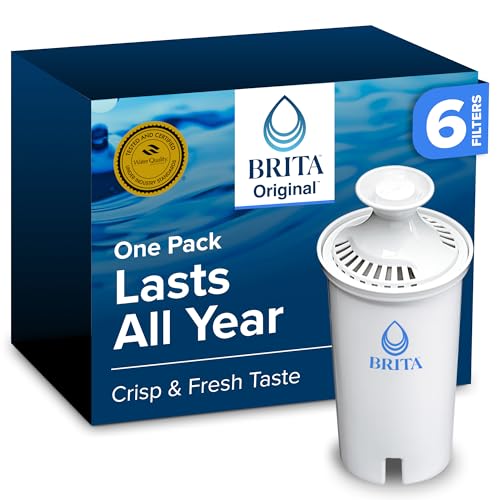 |
Brita 35557 6-Pack | ★★★★★ | Check Price |
| 2 |  |
Brita Ultra Max 18-Cup | ★★★★★ | Check Price |
| 3 | 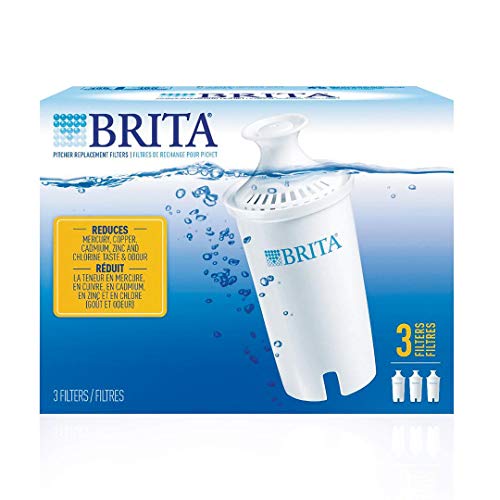 |
Brita 35503 3-Pack | ★★★★☆ | Check Price |
| 4 |  |
Brita Everyday 10-Cup | ★★★★☆ | Check Price |
| 5 |  |
Brita Metro 5-Cup | ★★★★☆ | Check Price |
| 6 | 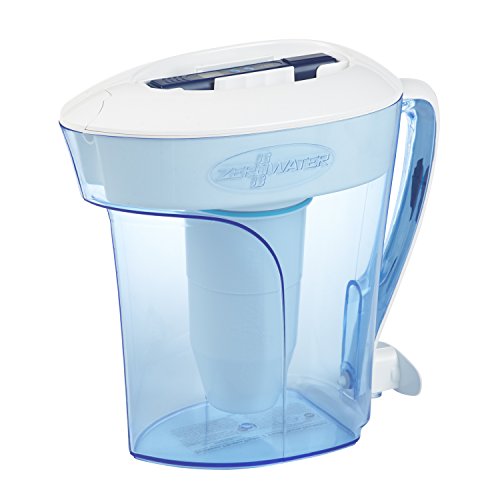 |
ZeroWater 10-Cup | ★★★★☆ | Check Price |
| 7 |  |
ZeroWater 4-Pack | ★★★★☆ | Check Price |
| 8 |  |
PUR RF9999 | ★★★★☆ | Check Price |
| 9 | 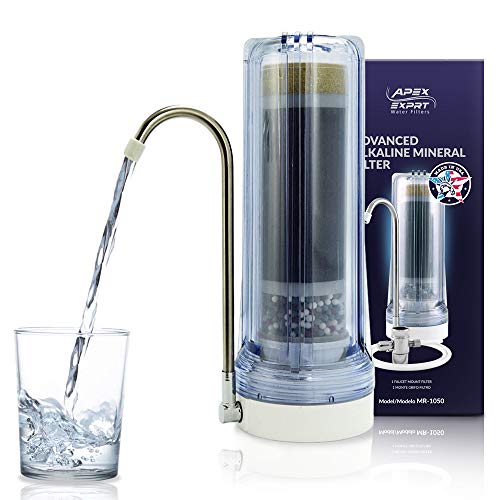 |
APEX MR-1050 | ★★★★☆ | Check Price |
| 10 |  |
Soma 10-Cup | ★★★★☆ | Check Price |
1. Brita 35557 Replacement Filters — Best Overall
Brita 35557 Replacement Filters 6-Pack
BPA-free filters fit all Brita pitchers and dispensers. Each filter replaces 300 water bottles and lasts 40 gallons.
Pros
- Fits all Brita classic pitchers and dispensers
- BPA-free with no pre-soaking needed
- Each filter replaces 300 water bottles
- Slim design is easy to hold and install
Cons
- Not compatible with Brita Stream pitchers
- Filters need replacement every 2 months
- Doesn't remove lead specifically
The Brita 35557 6-pack is the gold standard for gravity water filtration. These filters use activated carbon to reduce chlorine taste and odor, mercury, zinc, copper, and cadmium from your tap water.
Installation takes seconds thanks to a pull-top cap design that requires no pre-soaking. Each filter lasts approximately 40 gallons, which works out to about two months for an average household.
The 6-pack offers excellent value since each filter replaces 300 single-use plastic water bottles. They’re certified to work with all Brita classic pitchers and dispensers, though they’re not compatible with Brita Stream models.
2. Brita Ultra Max Dispenser — Best Large
Brita Ultra Max Filtering Dispenser 18-Cup
Large 18-cup dispenser with filter indicator. Removes chlorine, mercury, zinc, and other impurities for great-tasting water.
Pros
- Large 18-cup capacity for families
- Built-in filter change indicator
- Reduces plastic waste significantly
- Easy pour spigot design
Cons
- Takes up more refrigerator space
- Heavier when full
- Filter indicator may be imprecise
The Ultra Max is Brita’s largest gravity dispenser, holding a full 18 cups of filtered water. It’s designed for families or anyone who wants to refill less often throughout the day.
A built-in filter change indicator tracks when it’s time for a replacement. The easy-pour spigot makes dispensing water convenient, and the BPA-free construction fits on most refrigerator shelves or kitchen counters.
The tradeoff for all that capacity is size. It takes up considerably more fridge space than a standard pitcher, and it’s noticeably heavier when full.
3. Brita 35503 Standard Filters — Best Value
Brita 35503 Standard Replacement Filters 3-Pack
Affordable 3-pack standard filters with pull-top cap for quick changes. Certified to reduce chlorine taste and odor.
Pros
- Affordable 3-pack value
- Pull-top cap for quick filter changes
- No pre-soaking required
- Produces clean and great-tasting water
Cons
- Standard filtration only
- Shorter lifespan than Longlast filters
- Doesn't remove all contaminants
If you’re looking for a budget-friendly way to keep your Brita pitcher running, the 35503 3-pack delivers solid performance at a lower price point. Each filter lasts 40 gallons and requires no pre-soaking before use.
The pull-top cap makes swapping filters quick and hassle-free. These standard filters are certified to reduce chlorine taste and odor, producing noticeably better-tasting water from the tap.
They don’t match the filtration depth of Brita’s Longlast or ZeroWater’s 5-stage filters. However, for everyday chlorine and taste improvement, they’re hard to beat on value.
4. Brita Everyday Pitcher — Best Family
Brita Everyday Pitcher 10-Cup
Clear plastic 10-cup pitcher with status indicator. Easy to pour and refill with flip-top lid design.
Pros
- Helpful status indicator for filter changes
- Clear design shows water level
- BPA-free construction
- One filter replaces 300 water bottles
Cons
- Plastic body, not glass
- Status indicator requires battery
- May develop cracks over time
The Brita Everyday is the go-to pitcher for families of three to four people. Its 10-cup capacity strikes the right balance between holding enough water and fitting comfortably in a standard refrigerator.
A built-in status indicator tells you exactly when the filter needs replacing, so you never have to guess. The clear BPA-free plastic body lets you see the water level at a glance, and the flip-top lid makes refilling simple.
The main downside is durability. The plastic construction can develop hairline cracks over time, and the status indicator requires a battery to function.
5. Brita Metro 5-Cup — Best Compact
Brita Metro Pitcher 5-Cup
Small and space-efficient 5-cup pitcher. Electronic filter indicator tracks replacement schedule. BPA-free.
Pros
- Fits narrow refrigerator spaces
- Electronic filter indicator included
- Lightweight and easy to handle
- BPA-free and reduces chlorine taste
Cons
- Very small 5-cup capacity
- Not ideal for large families
- Hand wash recommended
The Brita Metro is designed for tight spaces and solo users. At just 5 cups, it slides into narrow refrigerator shelves where larger pitchers won’t fit.
An electronic filter indicator keeps track of usage so you know when it’s time for a replacement. The lightweight BPA-free construction makes it easy to handle with one hand, and it reduces chlorine taste and odor effectively.
The obvious limitation is capacity. You’ll need to refill frequently if more than one person is using it, making it a poor choice for families.
6. ZeroWater 10-Cup Pitcher — Best TDS Removal
ZeroWater ZP-010 10-Cup Pitcher
5-stage filtration with Water Quality Meter. NSF certified to remove chromium and lead. Removes 99.6% of TDS.
Pros
- 5-stage filtration for superior purification
- Includes Water Quality Meter
- NSF certified for lead and chromium removal
- Removes 99.6% of dissolved solids
Cons
- Filters may need frequent replacement
- Slower filtration than Brita
- Replacement filters cost more
ZeroWater takes gravity filtration to another level with its 5-stage system that removes 99.6% of total dissolved solids. It’s the only pour-through filter NSF certified to reduce both lead and chromium.
The included Water Quality Meter lets you test your water’s TDS reading before and after filtration. The ion exchange technology goes well beyond standard carbon filtering, producing some of the purest water you can get from a pitcher.
The downside is cost and speed. Filters need replacing more frequently than Brita, especially in areas with hard water, and the 5-stage process takes noticeably longer to fill the pitcher.
7. ZeroWater 4-Pack Filters — Best Replacement
ZeroWater Replacement Filters 4-Pack
4-pack replacement filters with 5-stage filtration. Ion exchange technology reduces contaminants beyond standard carbon filtering.
Pros
- Fits all ZeroWater pitchers and dispensers
- 5-stage filtration with ion exchange
- NSF certified for lead and chromium
- Removes virtually all dissolved solids
Cons
- More expensive than standard filters
- Shorter lifespan with hard water
- May produce acidic water over time
Buying ZeroWater replacement filters in a 4-pack brings the per-filter cost down significantly. Each filter uses the same 5-stage ion exchange technology that removes virtually all dissolved solids from your water.
They’re universally compatible with every ZeroWater pitcher and dispenser, from the smallest to the largest. The NSF certification for lead and chromium removal gives you confidence in the filtration quality.
Hard water areas will burn through these filters faster, and some users report a slightly acidic taste as filters near the end of their life. Replacing them promptly when your TDS meter shows rising numbers is key.
8. PUR RF9999 MineralClear — Best Faucet
PUR RF9999 MineralClear Replacement Filter
Faucet-mount filter certified to reduce over 70 contaminants including 99% of lead. Provides 100 gallons per filter.
Pros
- Reduces over 70 contaminants
- Removes 99% of lead from water
- 100-gallon filter life per cartridge
- Affordable alternative to bottled water
Cons
- Only fits PUR faucet mounts
- Flow rate slower than unfiltered
- May not fit all faucet styles
The PUR RF9999 takes a different approach by filtering water directly at the faucet using activated carbon and ion exchange technology. It’s certified to reduce over 70 contaminants, including 99% of lead and chlorine.
Each filter provides 100 gallons of clean water, which is more than double what most pitcher filters offer. The MineralClear technology delivers superior contaminant reduction while keeping the water tasting fresh.
The catch is compatibility. These filters only work with PUR faucet mount systems, and not every faucet style accommodates the mount hardware.
9. APEX MR-1050 Countertop — Best Countertop
APEX MR-1050 Countertop Alkaline Filter
Countertop alkaline filter made in USA. Removes mercury and contaminants while maintaining healthy mineral content.
Pros
- Easy countertop installation
- Maintains healthy mineral content
- NSF certified components
- 750-gallon filter capacity
Cons
- Takes up counter space
- Not portable
- Replacement cartridges can be costly
The APEX MR-1050 is a countertop alkaline filter made entirely in the USA with NSF certified components. It connects directly to your faucet and provides up to 750 gallons of filtered water per cartridge.
What sets it apart is its ability to remove mercury and other contaminants while preserving healthy minerals in the water. The alkaline filtration process also raises the pH slightly, which some users prefer for taste.
It does require permanent counter space and isn’t portable like a pitcher. Replacement cartridges are also pricier than standard pitcher filters, though the 750-gallon capacity offsets the cost over time.
10. Soma 10-Cup Pitcher — Best Design
Soma 10-Cup Water Filter Pitcher
Stylish 10-cup pitcher with plant-based filter. Coconut carbon shell filter removes chlorine, mercury, zinc, and copper.
Pros
- Beautiful modern design with wood handle
- Plant-based coconut carbon filter
- BPA-free waterproof plastic body
- Locking lid for easy refilling
Cons
- Premium price for the design
- Filter lasts only 40 gallons
- Handle durability concerns
The Soma pitcher proves that a water filter doesn’t have to look like a piece of lab equipment. Its sleek modern design features a reclaimed wood handle and clean lines that look great sitting on a counter or dinner table.
The plant-based coconut carbon shell filter removes chlorine, mercury, zinc, and copper effectively. The locking lid pops up for quick refilling, and the BPA-free plastic body holds a full 10 cups.
You’ll pay a premium for the aesthetics, and the filter only lasts 40 gallons before needing replacement. Some users have also reported durability issues with the wood handle over time.
Buying Guide
Determine Your Filtration Needs
Start by finding out what’s actually in your water. Standard carbon filters handle chlorine and taste issues, while 5-stage systems like ZeroWater tackle lead, chromium, and dissolved solids.
Capacity and Household Size
A 5-cup pitcher works fine for one or two people. Families of four or more should look at 10-cup pitchers or 18-cup dispensers to avoid constant refilling throughout the day.
Pitcher vs. Countertop vs. Faucet
Pitcher filters are affordable and portable but require manual refilling. Countertop models like the APEX provide continuous filtered water, while faucet-mount filters like PUR offer on-demand filtration without taking up counter space.
Filter Lifespan and Replacement Cost
Most standard filters last about 40 gallons or two months. Factor in the ongoing cost of replacement filters when comparing total ownership cost, since a cheaper pitcher with expensive filters may cost more long-term.
Water Quality Testing
If you’re unsure what contaminants are in your water, ZeroWater’s included Water Quality Meter is a valuable starting point. Testing your tap water helps you determine whether you need basic carbon filtration or a more advanced multi-stage system.
How We Evaluated
We assessed each gravity water filter based on five key criteria. These factors reflect what matters most for everyday home water filtration.
Filtration Performance was our top priority, including what contaminants each filter is certified to remove. We gave higher marks to filters with NSF certifications and multi-stage filtration systems.
Capacity and Convenience covered how much water each unit holds and how often you need to refill or replace filters. Larger dispensers and longer-lasting filters scored better here.
Build Quality examined the materials used, BPA-free certifications, and overall durability based on long-term user feedback. We also considered whether the unit felt sturdy and well-constructed.
Ease of Use looked at installation complexity, filter change procedures, and any helpful features like filter indicators or pull-top caps. Simpler setups earned higher scores.
Value for Money weighed the upfront cost against filter lifespan, replacement filter pricing, and overall filtration quality. We favored products that deliver strong performance without breaking the bank.
Frequently Asked Questions
Pretty simple, actually. You pour water into the top chamber, and gravity pulls it down through a filter medium like activated carbon or ceramic. Contaminants get trapped along the way, and clean water collects in the bottom chamber. No electricity or water pressure required.
For most households, every 40 gallons or roughly every two months. ZeroWater filters may need more frequent changes depending on your water's TDS levels, since they work harder when your tap water has more dissolved solids.
Some can, but not all. ZeroWater's 5-stage filtration is NSF certified to remove lead and chromium. Standard Brita filters handle chlorine, mercury, and copper but aren't specifically certified for lead.
It depends on what matters most to you. Gravity filters are portable, need zero installation, and work anywhere. Faucet filters give you instant filtered water on demand. If you want grab-and-go flexibility, gravity wins. If convenience is king, go with a faucet filter.
Final Thoughts
Choosing the right gravity water filter comes down to matching your household size and water quality concerns with the right product. For most people, Brita's ecosystem offers the best combination of affordability, availability, and reliable filtration.
If you're dealing with lead, chromium, or high TDS levels, ZeroWater's 5-stage system is worth the extra cost and slower filtration speed. For those who want on-demand filtered water without a pitcher, the PUR faucet mount or APEX countertop filter are excellent alternatives.
Every filter on this list will deliver noticeably cleaner, better-tasting water than what comes straight from the tap. The best gravity water filter is the one you'll actually use consistently.
The Brita 35557 Replacement Filters 6-Pack is the best gravity water filter for most households. It combines BPA-free construction, easy no-soak installation, and proven chlorine and contaminant reduction at an unbeatable value. For those who need deeper filtration, the ZeroWater 10-Cup Pitcher removes 99.6% of dissolved solids with its 5-stage system.