 guide
guide Can a Tankless Water Heater Fill a Bathtub? What to Know
A tankless water heater can fill a bathtub — but only if it's sized right. Here's what you need to know about flow rates. Here's what we found.

Reviews, comparisons, and buying guides for every type of heaters we've tested and researched.
We may earn a small commission through links on this page, at no extra cost to you. As an Amazon Associate, we earn from qualifying purchases. Ratings reflect our own editorial evaluation.
Choosing a water heater isn't something most people think about until their current one dies — usually at the worst possible moment. I've spent years testing and researching these things, and the single biggest piece of advice I can give you is this: don't just replace what you had. The market has changed dramatically, and what made sense ten years ago might not be your best option today.
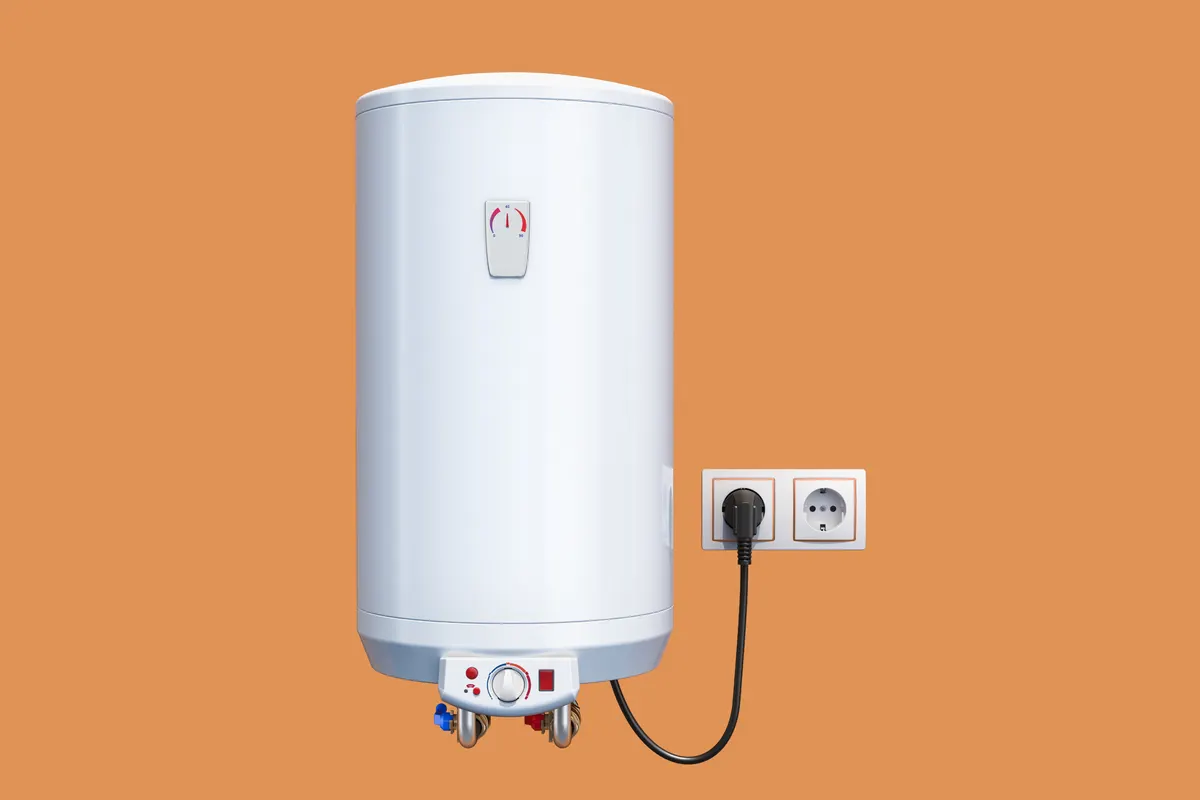
The first major decision is tank vs tankless. A traditional tank water heater stores 40 to 80 gallons of hot water, keeping it ready around the clock. A tankless (on-demand) unit heats water only when you turn on the faucet, so it never runs out — but it has flow rate limitations. If your household runs multiple showers simultaneously while doing laundry, a single tankless unit may struggle without supplemental units. Tanks deliver a lot of hot water at once but eventually run dry during heavy use. For a deeper look at how these categories stack up, check out our guide on boilers vs water heaters.
Your fuel type shapes everything from installation cost to monthly bills. Natural gas heats faster and costs less to run in most regions, but requires gas lines and proper venting. Electric models are simpler to install and don't need venting. Propane works well in rural areas without natural gas service. Heat pump water heaters pull heat from surrounding air and use dramatically less electricity — they're the efficiency champions, though they need a space with adequate airflow that stays above 40°F. Solar water heaters can slash energy bills in sunny climates but have high upfront costs. See our roundup of the best heat pump water heaters for specific recommendations.
Sizing is where a lot of homeowners go wrong. An undersized water heater means lukewarm showers and frustrated family members. An oversized one wastes energy heating water you'll never use. For tank models, you want to match the tank capacity to your household's peak-hour demand — what plumbers call the "first hour rating." For tankless models, you need to calculate the total flow rate (in gallons per minute) required by all fixtures you'd reasonably run at the same time, and ensure your unit can deliver that at the temperature rise your climate demands. A household in Florida needs far less temperature rise than one in Minnesota, which directly impacts how many GPM a tankless unit can actually deliver.
Budget matters, obviously, but think beyond the sticker price. A heat pump water heater might cost $1,200-$2,500 upfront compared to $500-$800 for a basic electric tank, but it can save $300+ per year in electricity. Over a 12-year lifespan, that "expensive" unit pays for itself several times over. Factor in available rebates and tax credits too — the federal government and many states offer significant incentives for energy-efficient models, especially heat pump and solar units. The cheapest water heater to buy is almost never the cheapest to own.
| Type | How It Works | Best For | Energy Efficiency |
|---|---|---|---|
| Conventional Tank (Gas) | Gas burner heats water stored in an insulated tank | Homes with natural gas, moderate demand | UEF 0.58-0.70 |
| Conventional Tank (Electric) | Electric elements heat water stored in an insulated tank | Homes without gas lines, simple installs | UEF 0.90-0.95 |
| Tankless Gas | Gas burner heats water on demand as it flows through a heat exchanger | Large households, endless hot water needs | UEF 0.80-0.97 |
| Tankless Electric | Electric elements heat water on demand through a compact unit | Small homes, point-of-use, warm climates | UEF 0.96-0.99 |
| Heat Pump / Hybrid | Extracts heat from ambient air to warm water, with electric backup | Energy-conscious homeowners, moderate-warm climates | UEF 2.0-4.0 |
| Solar | Solar collectors heat fluid that transfers warmth to a storage tank | Sunny climates, long-term savings focus | SEF 1.0-3.0 |
| Point-of-Use | Small electric unit installed near a single fixture | Remote bathrooms, supplemental hot water | UEF 0.95-0.99 |
Conventional tank water heaters remain the most common type in American homes for good reason: they're affordable, widely available, and every plumber knows how to service them. Gas tanks heat water faster (recovering in 30-40 minutes versus 60-80 for electric) but need proper venting and a gas line. Electric tanks are mechanically simpler and tend to last a couple years longer since there's no combustion stress on the components.
Tankless water heaters deliver endless hot water by heating it on demand as it passes through. Gas tankless models deliver higher flow rates (8-11 GPM) than electric ones (2-5 GPM), making them better whole-house solutions. Electric tankless units shine as point-of-use supplements or in warmer climates where incoming water is already relatively warm. The trade-off is cost: a gas tankless unit with professional installation runs $3,000-$5,000, compared to $1,500-$2,500 for a tank replacement.
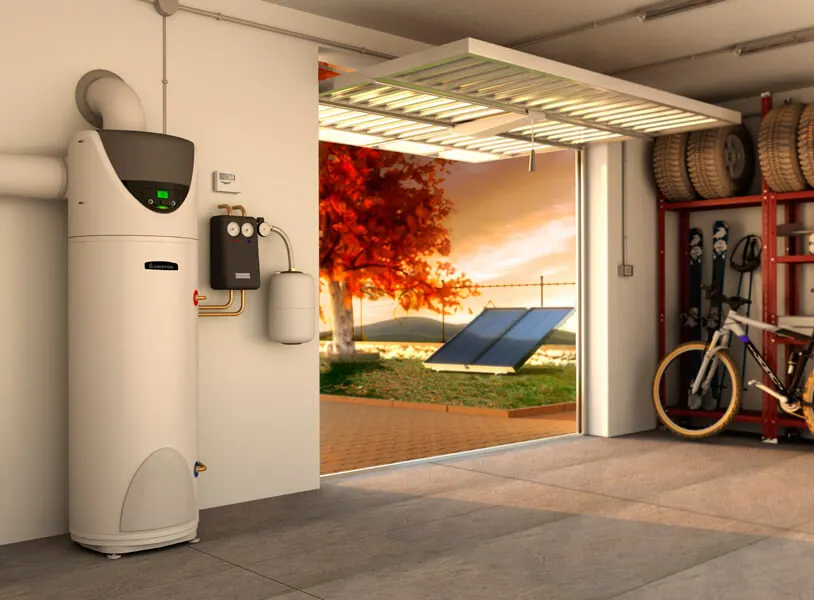
Heat pump water heaters (hybrids) are the efficiency story of the decade. They work like a refrigerator in reverse, pulling heat from surrounding air and transferring it to water. UEF ratings of 2.0-4.0 mean they produce 2-4 times more heat energy than the electricity they consume. The catch: they need a space that stays between 40-90°F with adequate airflow — garages and basements work well. They also dehumidify the space they're in and are noisier than a standard tank, roughly comparable to a window AC unit.
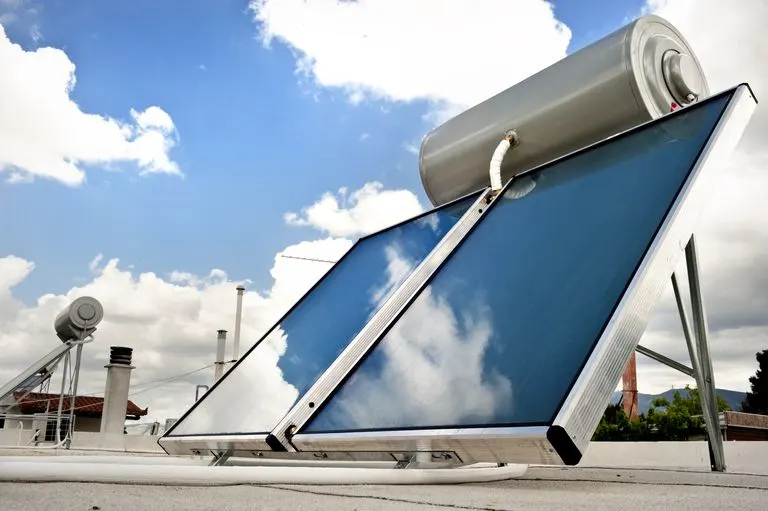
Solar water heaters use rooftop collectors to capture thermal energy, typically paired with a storage tank and backup element for cloudy days. In the right climate, they handle 50-80% of your water heating needs with free energy. The upfront investment is substantial, and you need good roof orientation with minimal shading. For a detailed breakdown, see our analysis on whether solar water heaters are worth it.
Point-of-use water heaters are small electric units installed directly at a single fixture — under a bathroom sink, next to a wet bar, or at a garage faucet. They eliminate the wait for hot water at distant fixtures and reduce energy lost through long pipe runs. Most are tankless, though small 2-6 gallon mini-tank versions exist too.
This is the debate I get asked about more than anything else, and the honest answer is that neither is universally better. Each has real advantages and genuine drawbacks, and the right choice depends on your household's specific circumstances.
Tank water heaters deliver a large volume of hot water at once. A 50-gallon tank can supply two simultaneous showers, a dishwasher, and a washing machine — until it runs out, then you're waiting 30-80 minutes for recovery. They're inexpensive to buy and install, parts are cheap and widely available, and every plumber can work on them. The downsides are standby energy loss (continuously heating water whether you use it or not), a larger physical footprint, and a shorter 8-12 year lifespan. They can also cause water damage if the tank eventually leaks.
Tankless water heaters never run out because they heat on demand. They're compact (wall-mounted, roughly the size of a carry-on suitcase), last 15-20 years, and eliminate standby energy loss. However, they have flow rate limits — running three showers, a dishwasher, and a washing machine simultaneously overwhelms most single units. They're also significantly more expensive upfront, especially for tank-to-tankless conversions requiring new gas lines, upgraded venting, or bigger electrical panels. Curious about noise? See our article on whether tankless water heaters are loud.
From a cost comparison standpoint, a gas tank runs $1,200-$2,000 installed versus $3,000-$5,000 for gas tankless. The tankless saves $80-$150/year on gas, meaning 12-20 years to recoup the difference — close to the unit's full lifespan. Tankless wins economically when building new (no conversion costs), staying long-term, or factoring in the avoided cost of replacing a tank twice during a tankless unit's life.
Which homes benefit from each? Tanks make sense for budget-conscious buyers, homes with heavy simultaneous demand (big families doing laundry, dishes, and showers in the same hour), and anyone wanting simple maintenance. Tankless suits smaller households, space-constrained homes, vacation properties (no standby heating for weeks of disuse), and homeowners prioritizing long-term savings. For specific models, see our guide to the best electric tankless water heaters.
One overlooked factor: the "cold water sandwich." When you turn on hot water shortly after someone else used it, a tankless unit may deliver a brief slug of hot water (left in pipes), then cold water (before the unit fires), then hot again. A recirculation pump or buffer tank solves this but adds cost.
| Household Size | Recommended Tank Size | Tankless Flow Rate (GPM) |
|---|---|---|
| 1-2 people | 30-40 gallons | 3-5 GPM |
| 2-3 people | 40-50 gallons | 5-7 GPM |
| 3-4 people | 50-65 gallons | 7-9 GPM |
| 4-5 people | 65-80 gallons | 8-10 GPM |
| 5+ people | 75-100 gallons | 10+ GPM (may need multiple units) |
These are guidelines, not gospel. The real way to size a tank water heater is the First Hour Rating (FHR) — how many gallons of hot water it can deliver in the first hour starting with a full tank. To figure your needed FHR, estimate peak-hour usage: count showers, faucets, dishwashers, and washing machines that might run during your busiest hour, then add up their consumption. A shower uses about 10 gallons, a dishwasher about 6, a clothes washer about 7 (hot wash). Match that total to a water heater with an equal or higher FHR.
For tankless sizing, you need two numbers: the maximum simultaneous flow rate (in GPM) and the temperature rise required. Temperature rise is the difference between incoming cold water and your desired output (typically 120°F). In the South, incoming water might be 70°F, requiring a 50°F rise. In northern states, it can be 40°F, requiring an 80°F rise. Higher required temperature rise means fewer GPM a tankless unit can deliver. This is the most common tankless sizing mistake — people look at the max GPM on the spec sheet without realizing it assumes minimal temperature rise.
Don't automatically match what you currently have. If your current 50-gallon tank has always been fine, you might not need to go bigger. But if your family has grown or you've added a bathroom, sizing up makes sense. We have detailed reviews for several specific tank sizes: see our coverage of 100-gallon water heaters, 75-gallon water heaters, 65-gallon water heaters, 50-gallon electric water heaters, and 19-gallon water heaters for compact or supplementary applications.
One more sizing consideration: recovery rate. This is how quickly the heater can reheat a full tank of cold water. Gas water heaters have significantly faster recovery rates than electric models — a gas 50-gallon tank might recover 40+ gallons per hour, while an electric one recovers 20-25 gallons per hour. If your household has heavy back-to-back demand (morning shower rush, for example), the recovery rate matters as much as the tank size. A smaller gas tank with a fast recovery rate might outperform a larger electric tank with a slow one.
Energy efficiency in water heaters is measured by the Uniform Energy Factor (UEF), which replaced the older Energy Factor (EF) rating in 2015. The UEF tells you how efficiently the heater converts energy input into hot water output. A UEF of 0.90 means 90% of the energy consumed goes toward heating water, while 10% is lost. For conventional water heaters, a higher UEF means lower operating costs. Heat pump water heaters break the scale — their UEF ratings of 2.0-4.0 mean they're producing 2-4 times more heat energy than the electrical energy they consume, thanks to the heat they extract from ambient air.
The gas vs electric cost comparison depends on local utility rates. Natural gas costs $0.60-$1.00 per therm; an average gas water heater uses 200-300 therms/year, putting annual costs at $150-$300. Electricity costs $0.12-$0.30 per kWh, and a standard electric tank uses 4,000-5,000 kWh/year, putting annual costs at $480-$1,500. Gas is cheaper to operate in most regions, but Hawaii, parts of the Northeast, and areas with cheap electricity (like the Pacific Northwest) can flip that equation. Our piece on whether gas water heaters use electricity explains the electronics and ignition systems involved.
Heat pump water heaters are the efficiency game-changer. Because they move heat rather than generate it, they use roughly 60-75% less electricity than a conventional electric tank. For a household spending $600/year on electric water heating, switching to a heat pump model could drop that to $150-$250/year. At a $350-$450 annual savings and a price premium of $800-$1,500 over a standard electric tank, the payback period is typically 2-4 years. After that, it's pure savings for the remaining 10+ years of the unit's life. Federal tax credits (currently 30% of the cost, up to $2,000 under the Inflation Reduction Act) make the math even more compelling. See our best heat pump water heater picks for models we recommend.
Solar water heaters can reduce water heating costs by 50-80% in favorable climates, but require $4,000-$8,000 installed and depend on consistent sunshine. The economics are strongest in sunny states with high electricity rates — Arizona, California, Florida, Hawaii. In cloudy or cold climates, payback stretches to 10-15+ years. We break down the full financial picture in our article on whether solar water heaters are worth it.
Keep in mind: the EnergyGuide yellow label on every water heater shows estimated annual costs based on national average energy prices. Your actual costs depend on local rates, usage patterns, incoming water temperature, and thermostat setting. I recommend using your actual utility rates rather than relying on the label. Even dropping your thermostat from 140°F to 120°F (perfectly adequate for most households and reduces scalding risk) can cut energy costs by 6-10%.
Water heater installation ranges from "handy homeowner weekend project" to "absolutely requires a licensed professional," and it's important to know which category your situation falls into before you start. Getting it wrong can mean gas leaks, carbon monoxide exposure, electrical hazards, water damage, or code violations that void your insurance. We have a comprehensive guide covering whether a homeowner can install a water heater — I'd encourage reading that for the full picture.
A like-for-like electric tank swap is the most DIY-friendly installation. Replacing a 50-gallon electric tank with another in the same location involves disconnecting the old unit, draining it, swapping it out, connecting water lines, and wiring to the existing circuit. A reasonably handy person can do this in 2-4 hours. You'll need a helper (an empty 50-gallon tank weighs 100-150 pounds) and should install new flexible water connectors, an updated T&P valve discharge pipe, and possibly an expansion tank if required by code.
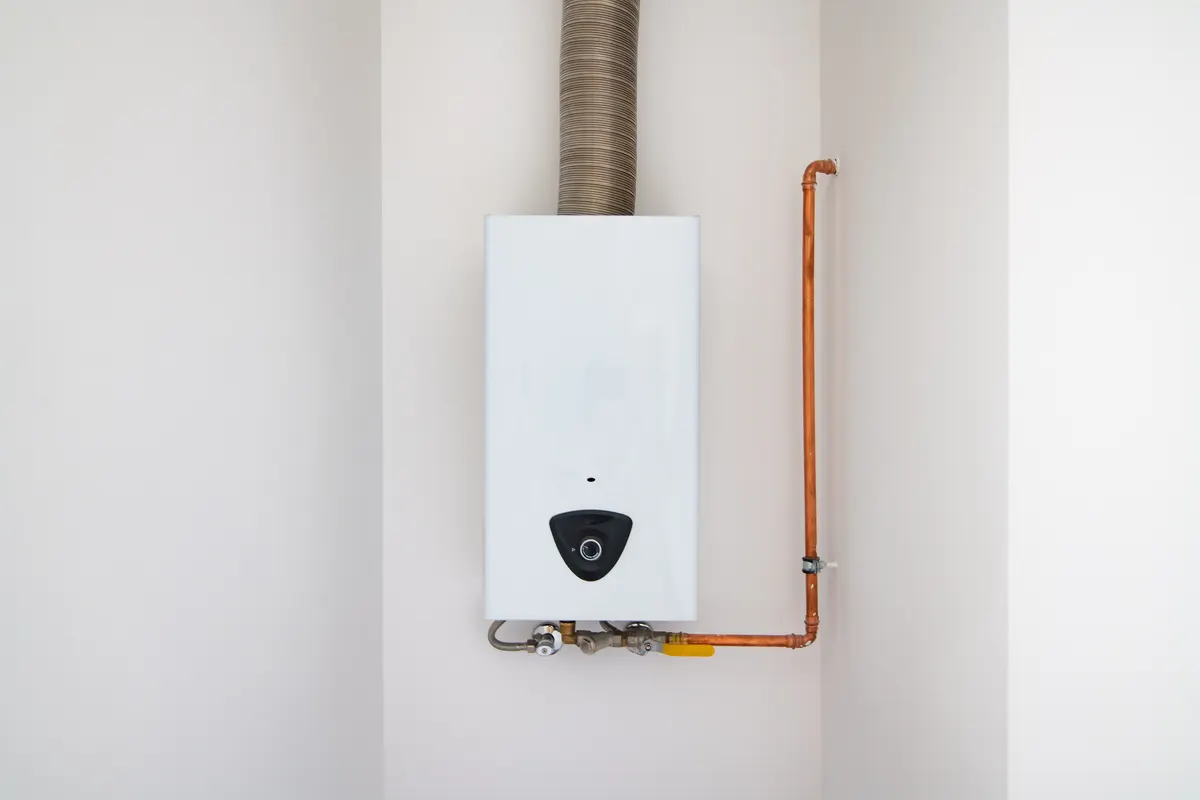
Gas water heaters add significant complexity. Beyond the plumbing, you're dealing with gas line connections and venting. Gas line work typically requires a permit and inspection in most jurisdictions, and many local codes mandate that a licensed plumber or gas fitter handle it. The venting must be done correctly — improper venting of combustion gases can put carbon monoxide into your living space, which is a life-threatening hazard. If you're switching from a standard atmospheric vent to a power vent or direct vent model, the venting requirements change entirely and the old vent path may not work. I strongly recommend professional installation for gas water heaters unless you have specific experience with gas plumbing.
Tankless conversions are almost always professional jobs. Going from tank to tankless requires upsizing the gas line (tankless units have much higher BTU demands), running new venting (usually stainless steel category III or IV pipe), and possibly upgrading your electrical panel if going electric tankless — a whole-house electric tankless might require 150-200 amps across multiple 40-amp circuits. Installation typically takes a full day and costs $1,500-$3,000 in labor alone. For time estimates, check our article on how long water heater installation takes.
Regardless of who does the work, make sure these details are handled: the T&P relief valve must be piped to within 6 inches of the floor or outside; the unit needs a drain pan where leaks could cause damage; seismic straps are required in earthquake zones; an expansion tank is required in closed plumbing systems; and all work should meet local code. Permits aren't just bureaucratic hassle — they protect you and ensure your insurance won't deny a water damage claim. For those replacing an existing unit, see our guide on how long it takes to replace a water heater.
Most people install a water heater and forget about it until it fails. That's a shame, because a small amount of annual maintenance can add years to its lifespan and keep it running efficiently. Here's what you should be doing — and honestly, most of it takes less than an hour once a year.
The anode rod is your water heater's sacrificial protector — a metal rod (usually magnesium or aluminum) that corrodes instead of the tank lining. Once it's depleted, the tank itself starts corroding. Check it every 2-3 years by unscrewing it from the top of the tank. If it's less than half an inch thick or coated in calcium, replace it. A replacement costs $20-$50 and takes about 20 minutes. This single step can extend a tank's life by 3-5 years. If you have a water softener, check more frequently — softened water accelerates anode rod consumption.
Flushing sediment is the other critical task. Minerals settle to the bottom of the tank over time, insulating the water from the burner or heating elements. This makes the heater work harder, wastes energy, and causes rumbling noises. Connect a garden hose to the drain valve, run it outside or to a floor drain, and let water flow until it runs clear. Do this annually at minimum, or drain a few gallons quarterly. If you've never flushed a tank that's more than five years old, be cautious — the drain valve may be clogged with sediment.
Your annual maintenance checklist: test the T&P valve by lifting the lever (replace if it drips or doesn't release); inspect the base for moisture or corrosion; check flue and venting (gas models) for blockages or disconnection; inspect the burner flame (should be steady blue, not lazy orange); and verify the thermostat is at 120°F. For electric models, listen for element failure signs — hissing, prolonged heating, or tripped breakers.
Signs it's time to replace: the unit is 10-12+ years old (check the serial number — first four digits usually encode manufacture month and year); rusty water from only the hot side; persistent leaking from the tank body; rumbling that doesn't resolve after flushing; inability to maintain temperature; or visible exterior corrosion. If you're seeing these signs in a unit over 8 years old, plan a replacement rather than investing in repairs. See our article on how long a 50-gallon water heater lasts for lifespan details.
For tankless water heaters, maintenance is different but still important. The primary task is descaling (flushing vinegar through the heat exchanger) annually, or more often in hard water areas. Most tankless units have isolation valves for this purpose. The inlet filter screen should be cleaned every few months. Tankless units will display error codes when something needs attention, which is one of their advantages over tank models. If you live in a cold climate, make sure the freeze protection system is functioning — see our guide on whether hot water heaters can freeze for precautions.
No hot water is the most alarming problem, but it's often the simplest to diagnose. On a gas water heater, check that the pilot light is lit and the gas valve is in the "on" position. If the pilot won't stay lit, the thermocouple likely needs replacement — a $10 part and a 30-minute fix. On an electric water heater, check your breaker panel first. A tripped breaker is the most common cause of no hot water from an electric unit. If the breaker hasn't tripped, the upper heating element or thermostat has probably failed. For detailed troubleshooting, see our guide on why your water heater keeps turning off.
Not enough hot water — where you get some but it runs out quickly — usually has a few culprits. The most common is a broken dip tube, the plastic pipe that directs cold water to the bottom of the tank. When it cracks, cold water mixes with hot near the top, giving you lukewarm output. In electric models, a failed lower heating element cuts effective capacity in half. Sediment buildup reduces usable tank volume. And sometimes demand has simply outgrown the tank — a 40-gallon unit that worked for a couple won't keep up with teenagers. For recovery times, see how long it takes for a water heater to heat up.
Strange noises from a water heater usually fall into a few categories. Rumbling, popping, or crackling sounds typically indicate sediment buildup on the bottom of the tank — mineral deposits harden and trap water beneath them, and when that trapped water heats and turns to steam, it pops through the sediment layer. Flushing the tank usually resolves this. A high-pitched whining or sizzling often points to scale buildup on the heating elements (electric) or a leak dripping onto the burner (gas). Hammering or banging when fixtures are turned on or off is usually water hammer in the plumbing, not a water heater problem — it's solved with water hammer arrestors on the affected lines.
Leaking requires quick diagnosis. Water around the base could be from a loose drain valve (tighten it), a dripping T&P valve (indicating excessive pressure or a faulty valve), condensation (common when cold water fills a warm tank), or a corroded tank leaking through the shell. If the tank body itself is dripping, the internal lining has failed and replacement is the only option. Check fittings and connections first — they're the most common leak sources and easily fixed.
Pressure issues are common but often misunderstood. If the T&P valve is frequently discharging, pressure or temperature inside the tank is too high — caused by a malfunctioning expansion tank, excessive incoming water pressure (above 80 PSI), a faulty T&P valve, or the thermostat set too high. Low pressure only from hot water fixtures might mean sediment clogging the outlet, a partially closed valve, or corroded pipes on the hot side. We cover diagnostics in our articles on what causes too much pressure in a water heater and whether a bad water heater can cause low water pressure.
BTU (British Thermal Unit) — The energy needed to raise one pound of water by one degree Fahrenheit. Gas water heaters are rated in BTUs/hour; residential gas tanks typically rate 30,000-50,000 BTU while tankless gas models hit 150,000-200,000 BTU.
GPM (Gallons Per Minute) — Flow rate through a fixture or water heater. The primary sizing metric for tankless units. A standard shower uses 2-2.5 GPM, a kitchen faucet about 1.5 GPM, a dishwasher about 1-1.5 GPM.
First Hour Rating (FHR) — Gallons of hot water a tank can deliver in the first hour starting fully heated. The most important sizing metric for tank water heaters, accounting for both stored water and heating speed.
EF / UEF (Energy Factor / Uniform Energy Factor) — How efficiently a water heater converts energy into hot water. UEF replaced EF in 2015 for more accurate comparisons. Higher is better. Conventional heaters: 0.5-0.99; heat pump models: 2.0+.
Anode Rod — A sacrificial metal rod (magnesium or aluminum) inside the tank that corrodes preferentially, protecting the steel from rust. When depleted, the tank corrodes — making regular inspection critical.
Dip Tube — Plastic tube directing incoming cold water to the bottom of the tank so it heats before mixing with hot water at the top. A broken dip tube causes lukewarm output.
T&P Valve (Temperature and Pressure Relief Valve) — Safety device that opens automatically if temperature exceeds 210°F or pressure exceeds 150 PSI. Every tank water heater must have one; test annually.
Recovery Rate — Gallons a heater can raise by 90°F in one hour. Gas models: 35-50+ gallons/hour. Standard electric: 18-25 gallons/hour.
Venting (Direct Vent vs Power Vent) — Gas heaters must vent combustion gases outside. Atmospheric venting uses a vertical metal flue. Power vent uses a fan to push exhaust through PVC pipe horizontally. Direct vent draws combustion air from outside through a sealed concentric pipe — ideal for tight spaces.
Expansion Tank — A small pressurized tank (2-5 gallons) on the cold water line that absorbs thermal expansion when water heats, preventing excessive pressure. Required by code in many areas with backflow preventers or pressure-reducing valves.
guide A tankless water heater can fill a bathtub — but only if it's sized right. Here's what you need to know about flow rates. Here's what we found.
 buyers guide
 Replacing a water heater element? You'll need the right socket size first. Here's what fits, how to figure out which one you need. Compare our top picks inside.
 guide
guide Yes, your water heater can freeze — and it can cause expensive damage if it does. Here's how to tell if it's frozen, what to do about it, and how to prevent.
 guide
guide Does your gas water heater actually need electricity to run? Here's how gas heaters work, the different types available, maintenance tips, and how operating.
 guide
guide A water heater that keeps shutting off is beyond frustrating. Here are the most common reasons it happens for both electric and gas models, what you can fix.
 buyers guide
 Not sure what size breaker you need for your water heater? This buyer's guide covers electric, gas, and tankless heaters — with amperage charts.
 guide
guide Water heater installation takes 1 to 3 hours depending on type and setup. See the full breakdown for electric, gas, and tankless models with costs.
 guide
guide Excessive pressure in your water heater is a serious safety issue. Here's what causes it, how to bring it down safely. Get the full answer here.
 guide
guide Need to move a water heater? You can lay it on its side in most cases, but gas models need extra care. Here are the dos, don'ts, and a step-by-step transport.
 how to
 Hydrogen peroxide in your water heater kills bacteria, fights rust, and extends tank life. Follow this safe step-by-step guide for any model or size.
 guide
guide A 50-gallon water heater lasts 8 to 12 years on average. Here is what affects lifespan, signs it is failing, and how to make yours last longer.
 guide
guide Replacing a water heater takes about two hours for a standard swap. Here is a step-by-step breakdown by type and size, plus signs yours needs it.