
A 50 lb sack of activated charcoal powder sells for $192.50 online.
That’s about $3.85 a pound, based on the price Charcoal House listed in October 2026.
Find that price per pound on a 1 lb jar and you’d feel lucky. That’s why bulk activated charcoal makes sense if you refill filters, deodorize a whole house or run a pond.
The catch? A big bag of the wrong type is a big waste.
The fix is 4 quick choices: form, base material, mesh and grade.
Get them right and you’ll pay bulk prices for carbon that actually fits your filter.
Can You Buy Activated Charcoal in Bulk?
Yes, activated charcoal is sold in bulk by carbon suppliers, charcoal stores and Amazon sellers, in bags from about 5 lb up to 50 lb sacks. The best deal starts with matching the form and mesh to your filter or project.
Bulk activated charcoal and activated carbon are the same material. “Charcoal” is the older name you see on consumer bags, while “carbon” shows up on water treatment spec sheets.
Here’s what you’re buying:
Charcoal made by carbonization, which means heating wood, shells or coal with little air. It’s then treated with steam or chemicals until each grain is full of tiny pores.
Those pores grab chlorine, odors and organic chemicals through adsorption, which means molecules stick to the surface instead of soaking in.
So the real choice isn’t “should I buy in bulk,” it’s “which bulk carbon fits my job.”
Make those 4 choices in order: form, base material, mesh and grade.
Powder, Granules or Pellets: Which Form Should You Buy?
Activated charcoal comes in 3 forms: powder for mixing into liquids, granules for water filters and pellets for air and odor filters. Granules are the right pick for most home buyers, because they pour into refillable cartridges and don’t turn into dust.
Each form behaves differently in the bag and in the filter.
Powdered Activated Carbon (PAC)
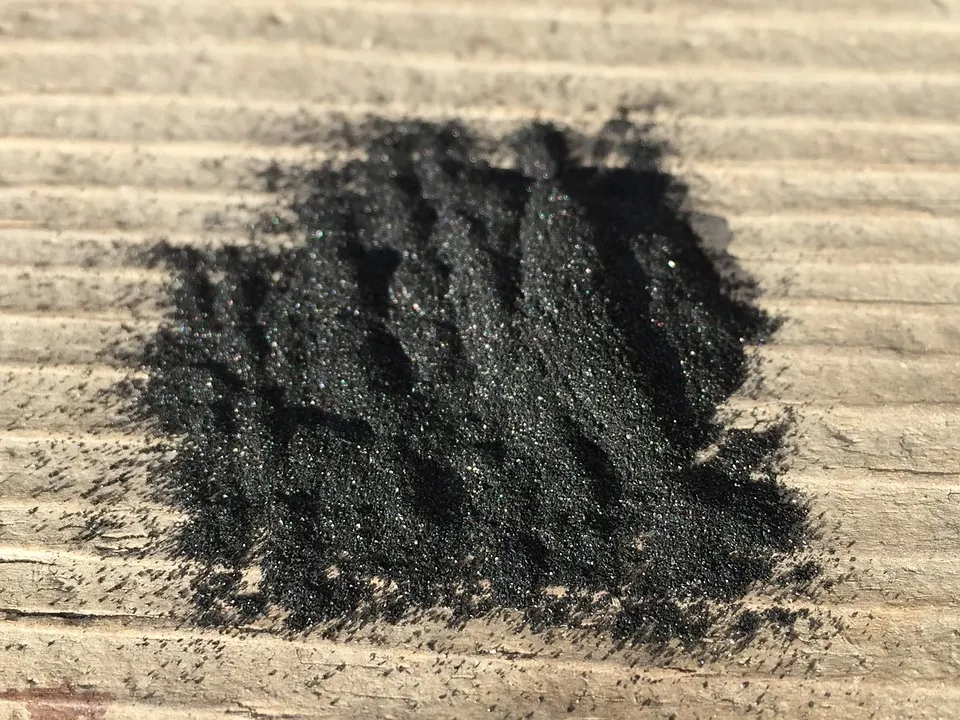
Powdered activated carbon is ground as fine as flour.
It works fast because so much surface touches the liquid at once, which is why it’s used for food, cosmetics and batch purification.
But powder is messy.
It floats in the air when you pour it, and it slips straight through most filter housings, so never use it in a water cartridge.
Granular Activated Carbon (GAC)
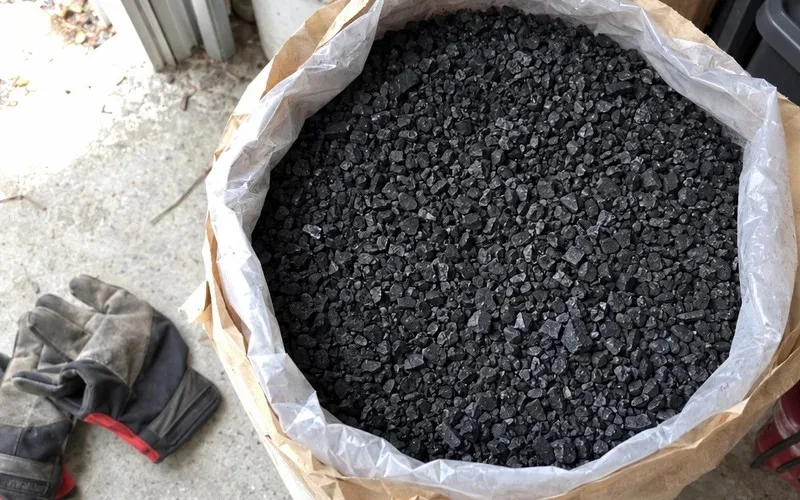
Granular activated carbon looks like coarse black sand.
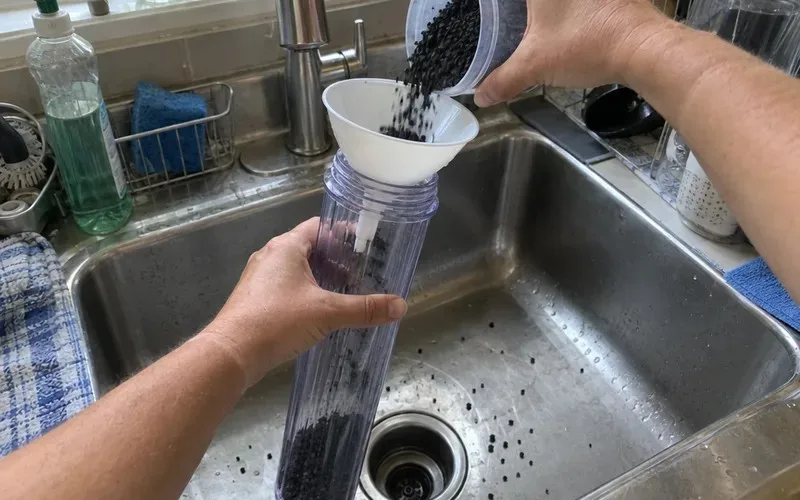
Water flows around the granules instead of through a solid block. So GAC is the standard fill for refillable cartridges, DIY filters and whole-house tanks.
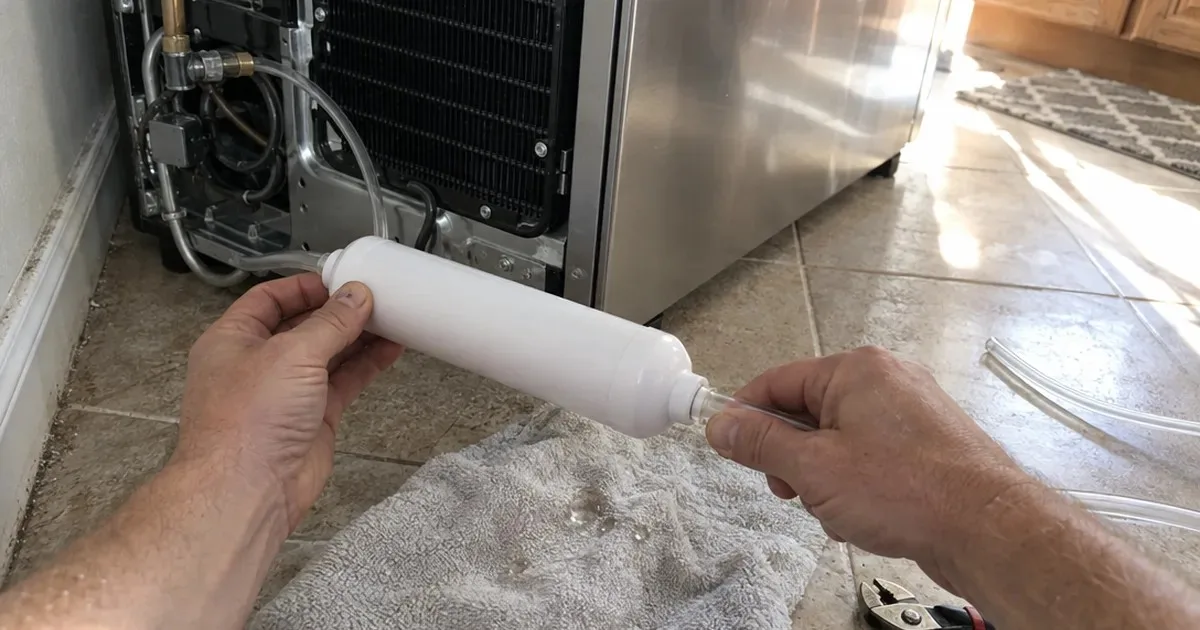
If you already own a refillable water filter cartridge, loose GAC is what goes inside it.
Activated Carbon Pellets
Activated carbon pellets are small pressed sticks, often about 4mm wide.
They’re harder and less dusty than granules, so air moves through a bed of them with little resistance. That suits filters for volatile organic compounds (VOCs), the fumes from paint and cleaners.
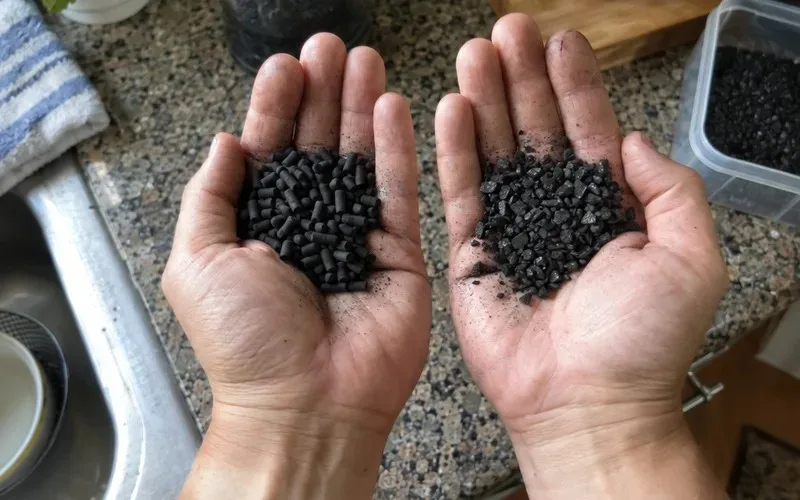
In fact, the Activated Carbon Depot store page describes its pellets as designed for gas-phase filtration, odor control and air purification.
Pellets also show up in pond and aquarium filters, where their size keeps them from washing out of a media bag.
Buy granules for water, pellets for air, and powder only when it’s going into something you mix.
Coconut Shell, Coal, Wood or Bone Char?
Bulk activated charcoal is made from coconut shell, bituminous coal, hardwood or animal bone. Coconut shell carbon is the usual pick for drinking water filters, coal-based carbon costs less per pound, and wood and bone char are for special jobs.
The base material, and how it’s handled during carbonization, sets the pore size, the hardness and how much ash comes out when you rinse it.
Coconut Shell Carbon
Coconut shell carbon has mostly tiny pores, which suit small molecules like chlorine and the chemicals behind bad tastes.
It’s also hard, so it sheds less dust as water tumbles through a cartridge.
That’s why most granular refills for home water filters say “coconut shell” on the bag. Most ready-made coconut shell carbon filters use it too.
Bituminous Coal Carbon
Coal-based carbon is the budget bulk option.
It’s common in large industrial sacks, powdered grades and pellets, and it handles a wide mix of contaminants.
The trade-off is more ash and fines, so it needs a longer rinse before it goes into a drinking water filter.
Hardwood and Bone Char
Hardwood carbon has larger pores that suit bigger molecules, which is why it shows up in food-grade powders and some decolorizing work.
Bone char is charcoal made from animal bone.
Charcoal House sells Kosher-certified bone char in 8x24 mesh, and bone char is the medium inside the bone charcoal water filters sold for fluoride.
What Mesh Size Means on a Bag of Activated Charcoal
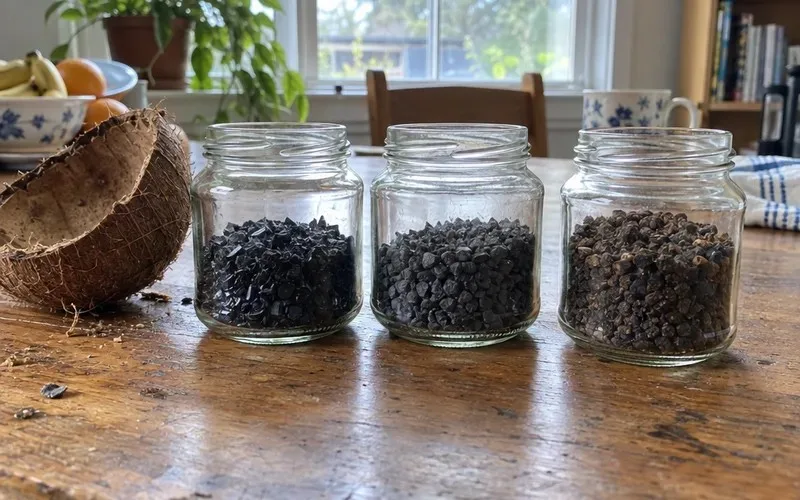
Mesh size on activated charcoal tells you how big the grains are: a 12x40 bag passes through a 12-mesh screen but stays on a 40-mesh screen. Higher numbers mean smaller grains, more contact with the water and a slower flow.
Mesh numbers count the openings per inch in a test screen.
So 4x8 granules are chunky, 12x40 is medium and 20x50 is close to coarse sand.
Here’s how to pick:
- 4x8 or 4x10: air filters and odor boxes, where airflow matters more than contact time
- 8x30 or 10-18: big tanks and backwashing whole-house filters
- 12x40: refillable cartridges and DIY drinking water filters, the most common home size
- 20x50: small cartridges where water moves slowly
Specialty stores carry coconut granules from 4x8 all the way to 20x50 mesh, so match the size your housing maker lists.
Better spec sheets also list an iodine number, a lab score for iodine adsorption. A higher number usually means more tiny pores for small molecules.
Does the manual for your cartridge or 10 inch filter housing name a mesh size? Buy that exact size, since finer carbon can clog it and coarser carbon lets water rush past.
Food Grade, USP or Technical Grade?
Activated charcoal grades tell you what the carbon is safe for: food grade and USP grade are made for anything you eat or put on skin. Technical or industrial grades are for filters only.
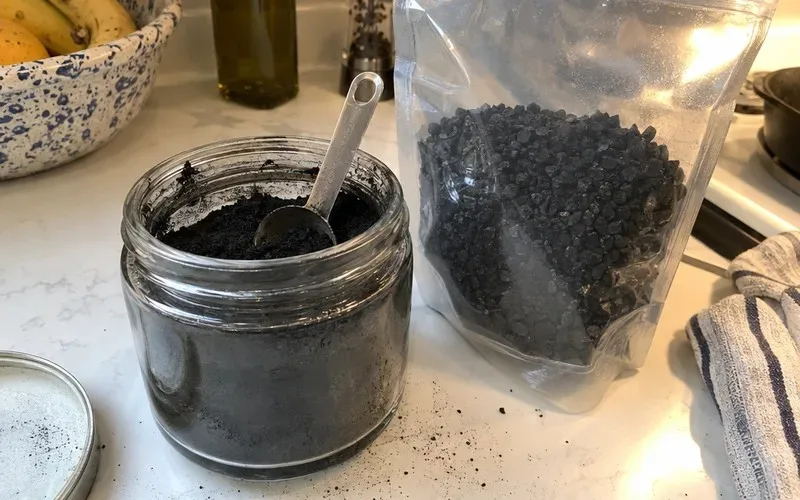
So a bulk bag sold for aquariums or air filters is not meant for eating.
USP grade means the powder meets the United States Pharmacopeia standard.
For example, one USP grade coconut shell powder on Amazon comes in a 12 oz jar.
Filter carbon is a different product.
It can still be certified for drinking water treatment, which is a separate claim from food grade. So check the listing for the exact certification your project needs.
Never put loose filter carbon into food, drinks or a homemade remedy, even if it came from the same brand as a food-grade powder.
The Right Bulk Activated Charcoal for Your Job
The right bulk activated charcoal depends on the job: coconut shell granules in 12x40 mesh for water filters, and pellets or coarse granules for odor and air. Aquariums need acid-free pellets, and anything you eat or apply needs food-grade powder.
Use the picks below as a starting point.
For Water Filters
For drinking water, buy coconut shell granules in the mesh your housing calls for.
For example, WECO coconut shell GAC comes as a 27.5 lb bag in 12x40 mesh. The listing says that 1 cubic foot suits point-of-entry canisters, backwashing filters and cartridges.
Bulk carbon results on Amazon also include a 23 lb bag of FILTRASORB 200 granulated carbon, listed as certified Calgon Carbon.
Is your city water treated with chloramine? Then you need catalytic carbon, such as IPW Industries catalytic coconut charcoal in 12x40 mesh, or a finished chloramine water filter.
For Odor Removal and Air Purification
For odors, buy pellets or 4x8 granules, so air can move through the bed.
The Wave Point 10 lb pellets are made from walnut shell and come with 2 media bags. That makes it easy to fill a few odor boxes at once.
For a closet or fridge, a small tub of Pure Non Scents coconut granules comes with 5 refillable sachets.
One specialty store even lists sulfurized 4mm pellets for mercury uptake, a grade you only need for that one job.
For Aquariums and Ponds
Aquarium and pond carbon should be acid-free and free of phosphate, since extra phosphate feeds algae.
The AQUAPAPA 10 lb pellet pack splits the carbon into 10 zippered 1 lb mesh bags, so you can swap one bag at a time.
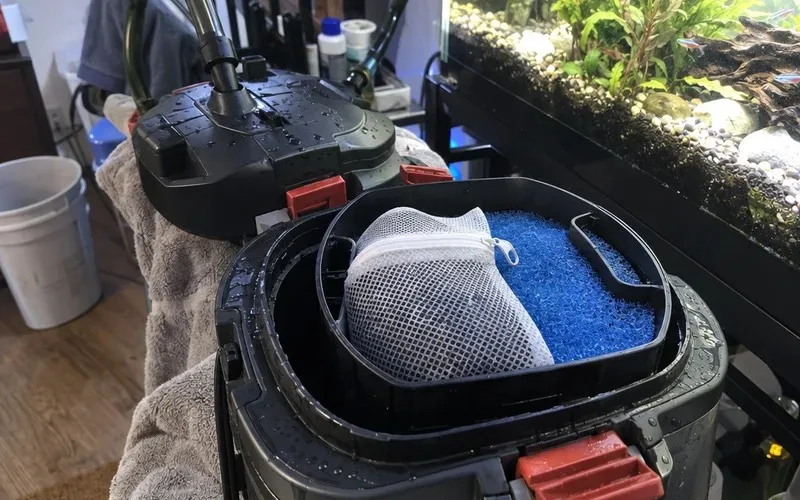
For a large pond, the 50 lb Wave Point bag is the bulk size. Split it into mesh bags for any of the pond water filters that have a media tray.
For Food, Cosmetic and DIY Powder Uses
For soap, face masks or anything that touches food, buy powder labeled food grade.
This 5 lb organic coconut charcoal powder is labeled food grade, Kosher and Halal, and Starwest Botanicals hardwood powder comes in a 2 lb bag.
If you’d rather build a filter, granules work best in a DIY charcoal water filter, since powder washes straight through the cloth.
How Much Does Bulk Activated Charcoal Cost?
Bulk activated charcoal costs about $3.85 a pound for coal-based powder in a 50 lb sack at Charcoal House, which listed that sack for $192.50 in October 2026. Small jars and coconut granules cost more per pound, so the price per pound is the number to compare.
Here’s the math to run before you buy:
Divide the price by the pounds in the bag.
Say a hypothetical 5 lb bag costs $40 and a 25 lb bag costs $150. The 5 lb bag is $8 a pound and the 25 lb bag is $6, so the bigger bag saves you $2 on every pound.
But only if you’ll use it.
Carbon that sits open for a year has already used up part of its power on the smells in your garage. So buy only what you’ll use within a year.
Where to Buy Activated Charcoal in Bulk
Activated charcoal in bulk is sold by 3 kinds of sellers: industrial carbon suppliers for 50 lb sacks and up, and specialty charcoal stores for every form and mesh. Amazon covers 5 to 50 lb bags with fast shipping.
Each one suits a different order size.
Industrial and Specialty Carbon Suppliers
Specialty stores carry the widest range of grades and mesh sizes.
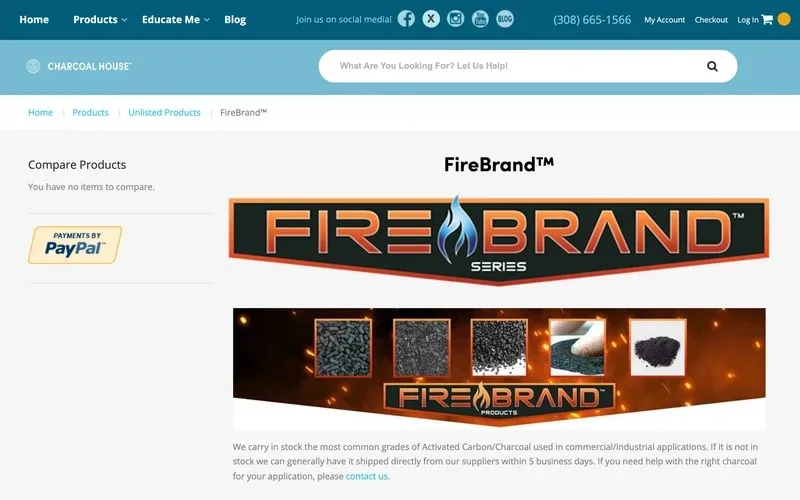
For example, the Charcoal House bulk store page lists powder, coconut and coal granules, pellets and bone char. The store says grades not in stock can usually ship from its suppliers within 5 business days.
Activated Carbon Depot sells granules, pellets and powder for water treatment and air filtration, and takes quote requests for large orders.
Some lab suppliers, such as Lab Alley, ship only to business, lab or school addresses, so check before you order to a home.
Here’s what to send a supplier for a quote:
“I need [weight] of [coconut shell / coal] granular activated carbon in [mesh] mesh for [use]. Can you quote delivered pricing to [ZIP code] and send the spec sheet?”
Amazon and Other Marketplaces
Amazon is the easiest place to buy 5 to 25 lb bags.
The Timgle 20 lb coconut granules come in 10-18 mesh and are sold for water filters and distillers.
Read the listing for 3 things before you add a bag to your cart: the base material, the mesh size and the grade.
If any of the 3 is missing, pick a different bag.
How to Store and Prep a Bulk Bag
Bulk activated charcoal should be stored sealed, dry and away from fumes like paint, gas or cleaners. Open carbon soaks up smells from the room before it ever reaches your filter.
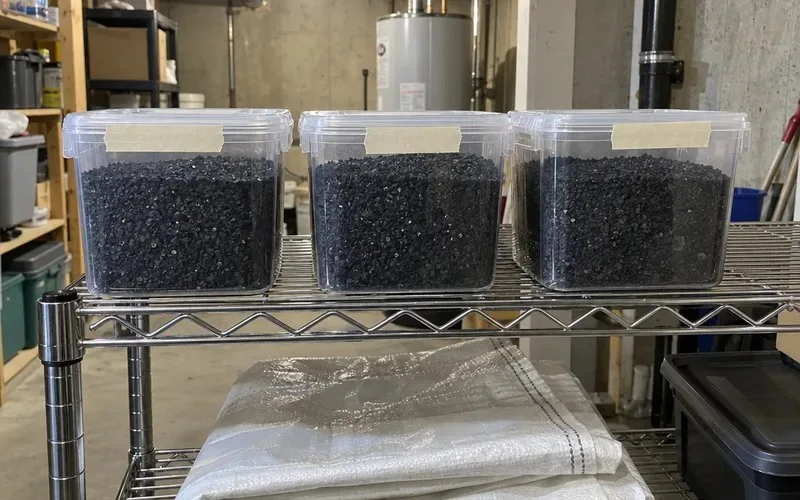
Here’s how to keep a big bag fresh:
- Split it into smaller airtight containers as soon as you open it, so most of the carbon never touches room air.
- Label each container with the mesh size and the date you opened it.
- Keep it off the garage floor and away from anything with a strong smell.
Then rinse before use.
Pour the granules into a bucket, add water, stir and pour off the black water until it runs mostly clear.
That rinse removes the fine dust that would otherwise cloud your first few gallons.
When a filter stops working, a bulk bag lets you swap in fresh carbon the same day instead of spending days cleaning a carbon filter.
Is There a Downside to Activated Charcoal?
Activated charcoal has 3 downsides for bulk buyers: the dust is messy, open carbon loses capacity to room odors, and it doesn’t stop every poison. The Charcoal House listing on Amazon warns that activated charcoal doesn’t work for certain drugs or poisons.
The same listing tells you to call Poison Control at 800-222-1222 for specific cases.
Carbon also has limits in water.
It’s great for chlorine, tastes and odors, but it doesn’t remove every metal or germ. So pair it with the right filter for your water test results.
Wear a dust mask when you pour fine powder, and keep it away from carpet.
Which Bag Should You Buy First?
The first bag of bulk activated charcoal most home buyers should get is coconut shell granules in 12x40 mesh, the common size for refillable water filters.
Bulk carbon pays off only when the form, base and mesh match your job.
Check your housing’s mesh size today, then order the bag that matches it.
Frequently Asked Questions
Where is the cheapest place to buy activated charcoal?
The cheapest place to buy activated charcoal is usually a carbon supplier selling large sacks, where Charcoal House listed 50 lb of coal-based powder for $192.50 in October 2026, about $3.85 a pound. For smaller amounts, compare price per pound on Amazon listings of 10 to 25 lb bags before you order.
Where can I buy legit activated charcoal?
Legit activated charcoal comes from sellers that name the base material, the mesh size and the grade, such as specialty carbon stores and branded Amazon listings like the Calgon Carbon FILTRASORB 200. Skip any bag that lists none of the three.
Is there a downside to activated charcoal?
Yes, activated charcoal has downsides: fine powder makes a messy black dust, a bag left open loses capacity as it soaks up smells from the room, and it doesn’t work on every poison. The Charcoal House listing on Amazon points readers to Poison Control at 800-222-1222 for specific cases.
How do you take activated charcoal?
Activated charcoal for eating should be a product labeled USP or food grade and sold for that use, taken only as its label directs. Never eat filter carbon from a bulk bag, and call Poison Control at 800-222-1222 in a poisoning emergency instead of treating it yourself.
Can I buy activated charcoal in bulk?
Yes, you can buy activated charcoal in bulk from carbon suppliers, specialty stores and Amazon, in bags from about 5 lb to 50 lb sacks. Pick the form and mesh first, then compare the price per pound.