Let’s be honest — most of us don’t think about our water heater until something goes wrong. It sits in a basement or closet, quietly doing its job, completely forgotten.
Then one day the hot water pressure drops, or the tank starts leaking, and suddenly it’s the most important appliance in the house. Low flow from your faucets, not enough hot water, or weak pressure in the lines are some of the most frustrating problems a faulty water heater can cause. Understanding what causes too much pressure in a hot water heater is equally important.
Can A Bad Water Heater Cause Low Water Pressure?
To completely understand the scope of this issue, we must appreciate the difference between water flow and water pressure and how they impact the entire plumbing system of the household.
In this article you’ll see how you can prevent a reduction in your water heater performance, and if a bad water heater can cause low water pressure.
Water Flow vs Water Pressure
Water heaters typical of tanks are relatively simple products. While all of their parts are essential, compared with other equipment, there are comparatively few.
Most repairs can be made by yourself without having to spend any money at all. Though if it’s an issue with the water tank itself, the only remedy is almost always to install a new water heater.
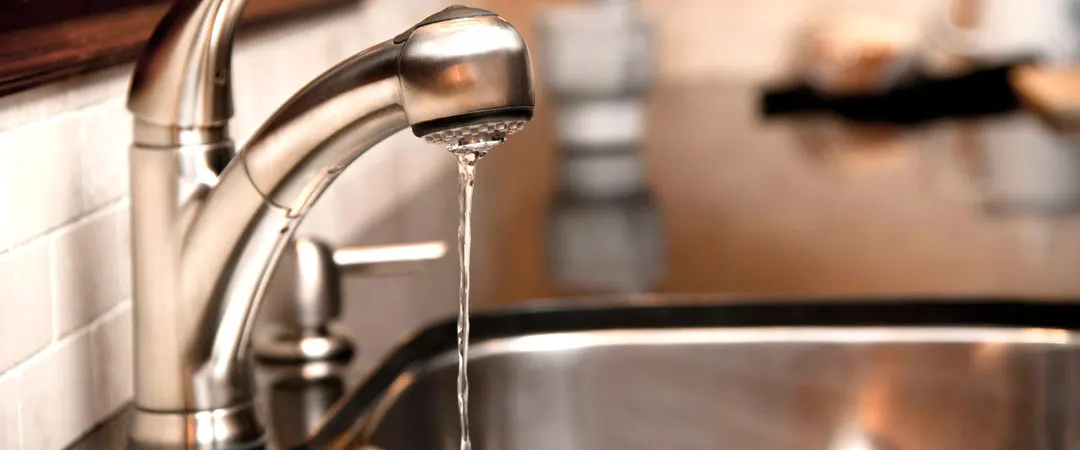
At one time or another, most of us must have been there. Turning on the tap and only a trickle of water comes out, you decide to open the valve all the way and still only a trickle with no increase in pressure whatsoever.
Can a bad water heater cause low water pressure? You can start to wonder what is going on, is it a loss of water flow or maybe a loss of pressure?
Knowing the difference is usually essential as it helps you to identify the cause or causes of your sudden loss of water pressure and knowing what repairs need to be done.
Water Flow
Water flow refers to the total amount of water that flows out of a pipe per unit time. The universal measurement for water flow is in liters per second.
The quantity of water is provided when you’re taking a bath, washing dishes, or doing anything that needs your plumbing system to produce a significant amount of water.
Water Pressure
Water pressure is the total amount of energy or force applied to water to enable it to move through the pipelines. It can also be defined as the energy present in the water as it exits a faucet or pipeline.
Usually, water pressure is created as a result of gravitational pull. The measure of water pressure is called Kilopascals (kPa), which is simply the measurement of the amount of force that’s applied to water when it’s in motion.
Both the flow and the pressure are influenced by the amount of friction within the pipe through which the water flows. Picture spilling a glass of water onto a horizontal glass pane.
The water would spread quickly to the rim.
Imagine the same amount spilling on sandpaper now. It wouldn’t spread as quickly.
The smoother the pipe, the less the friction, and the faster the water can move down the line provided there’s enough water pressure.
Sufficient water pressure makes it easier to offset friction and helps sustain adequate water flow.
Size of the Pipe
Proper pipe diameter is necessary to achieve a balance between flow and pressure. A large pipe is ideal for providing greater water flow, provided that the pressure is high as well, but in low-pressure situations, there will be a negative effect on the water flow.
One way of analyzing whether you’ve a water pressure or water flow is to explain the inconsistency in water flow based on how many lines are in use at any given time. If that’s the case, the water pressure isn’t high enough to push water through the system when it’s in full capacity.
You’ve got a blockage if the water flow is weak at one line but not at others. When your water flow is consistently weak at all the faucets, you probably have a central blockage or limitation that affects the entire building.
That being said, if only the hot water shows a reduced flow rate, the best place to start searching for a cause would be the water heater.
Water Heater Pressure Loss
If the water is heated and exits the water heater, it will flow with the same energy or pressure as cold water. If it doesn’t, the issue could be with the water heater or the lines which link the water heater to the rest of the building.
It’s vital to recognize which is faulty or which problems exist. You wouldn’t want to quickly decide to opt for a new water heater and then find that the issue wasn’t resolved because it was due to clogging or corrosion along the waterline:
- Hard water buildup in pipes can hinder water flow both out and into the hot water tank
- Sediment in the hot water tank will eventually lead to a decrease in water pressure — learn how to flush your hot water heater
- A kink in the flexible water line (pipe) typically used with water heaters affects pressure
- Pressure control valve not fully open leads to a fall in pressure
- Narrow water supply lines prevent proper water movement into the house
- Multiple sharp curves between the faucet and hot water make it challenging to maintain proper pressure
- Low municipal water pressure from the city supply affects the entire system
Why Is Your Water Heater System Bad?
Lack of adequate maintenance may cause a water heater to appear defective or have outlived its usefulness. Still, it may only require service and evaluation of the lines heading into and out of the tank.
Rinsing out the sediment that accumulates in a tank can help keep the heater at the appropriate pressure and help optimize the water quality. Simultaneously, some water that’s pushed from the heater through the lines increases the pressure in the pipes and raises clogs’ capacity elsewhere within the plumbing network.
Some common water heater problems.
Water Leakage Out From the Top
If you think you’ve got a leak at the top of your electric water heater, it might be one of several things. The hot inlet or cold outlet pipes could be faulty, the T&P valve can fail, or perhaps the inlet valve can leak.
Most of which are easy to repair.
Water Leakage From the Bottom
Any leakage from an electric water heater at the top is usually due to normal condensation. A minute quantity of water or a leaking electrical heating gasket being discharged through the overflow pipes due to the T and P valve to expel excess amounts of water pressure in the tank.
Seizure in Hot Water Supply
In most cases, two elements are responsible for heating the water in an electric water heater. Check whether water heater elements are universal if you need a replacement. A tripped circuit breaker is one of the most common reasons for the complete absence of hot water supply, and so you should first check the circuit breaker.
If that doesn’t help restore hot water supply, then the water heater elements must be faulty and need to be replaced.
It could also be a fault with the reset or limit switch of the thermostat. It might have tripped off because the water was too hot or it got faulty for some other reason and thus needs replacement.
Insufficient Hot Water
Problems of adequacy with regards to the quality of hot water supplied are always related to a faulty thermostat. It can be as easy as merely adjusting the preferred temperature of the water on the thermostat for a specific heating element.
On an electrically powered model, a thermostat is generally concealed behind layer insulation and an access panel on the side of the tank. In contrast to gas models, an electrical thermostat is installed in the factory and isn’t meant to be modified, but sometimes it’s necessary to change it.
During the winter period, the thermostat temperature may need to be slightly increased. As a result of the cold weather, the hot water gets cooled faster as it travels down the pipelines.
Other possible causes for not having enough hot water could be loose wiring, faulty elements, a defective thermostat, or a water heater tank that’s too small to meet your needs.
The Water Is Too Hot
This is also related to the thermostat. When the thermostat is set too high, it will lead to the water in the water heaters being too hot.
Usually, this can be fixed by merely accessing the thermostat controls and reduce/adjust the thermostat settings as desired. This may come in handy at the end of the cold season when it changes from cold to warm season.
Should you fail to reduce the thermostat temperature low enough, you may need to replace your thermostat or have problems and needs to be replaced.
Water Takes Long to Reheat
One of the disadvantages of electric water heaters. On average, the time it takes for the water to reheat the entire supply of water for the household (recovery time) on most electric models is twice that of a gas model when compared.
However, the timing can sometimes depend on the specific model as the newer models are usually better than older ones. That being said, if it takes longer than it usually does for the hot water to recover, there could be a problem with the heating element.
It could also be due to sediment accumulation on them, or the thermostat is faulty and needs to be replaced.
It would be best if you considered installing a newer model with a larger tank and a higher capacity, a tankless design, or installing a point-of-use water heater that’s close to the source of water you frequently use (the shower).
Reduced Hot Water Pressure
Those who admit having reduced hot water pressure usually have an old home with galvanized piping 1/2 inch in diameter that enters and exits the water heater. Because water pressure is automatically constrained, the only option is to install newer 3/4-inch piping that allows enough water to flow through. You may also want to know what size breaker you need for a water heater.
Calcium deposits, sediment, and rust can also contribute to low hot water pressure within your plumbing network or sink aerators.
Rusty or Dirty Colored Water
Rusty hot water is almost always an indication of corrosion of the anode rod or even of the tank itself. If left unchecked, your heating system will most probably need to be replaced after the corrosion becomes potentially significant for the tank to develop a leak. Find out how long a 50-gallon water heater lasts before it typically needs replacement.
It’s easy to replace the anode rod, and therefore can add years to your water heater. If the water isn’t rusty but discolored or dirty, it may be due to the buildup of scale on the heating elements or sediment that makes its way into the hot water outlet.
Hot Water With Foul Smell
The presence of bacteria in the water heater tank can make the water to have a funny smell. This is usually more common in houses that use well water as their primary source of water is typically susceptible to their hot water possessing such smell.
Regular flushing of water tanks can help eradicate the smell for some time. The only permanent solution to fix the rotten egg or sulfur smell from the hot water is replacing the anode rod.
It would be better to try replacing it with an anode rod as it will make the smell go away, and it lasts longer.
Some primary reasons why you should replace your water heater:
It would help if you searched for several factors to help you determine whether your water heater needs to be replaced. Of course, if it doesn’t work, it’s a no-brainer.
But you might think it works just right, and you needed a replacement for a long time. If you’re trying to decide if you’re going to upgrade, consider:
Expired Warranty
One excellent way to quickly determine it may well be time to upgrade is when you’ve exceeded your 12-year contract warranty by a couple of years. Not only do you not have coverage to repair your water heater if any unexpected damage occurs, but the chances are that the nature of your water heater is ancient and uses much more power than is required.
That might cost you loads and loads of surplus money each month without you realizing it. If your water heater has already lived its life expectancy long past, it might be time to throw it out and substitute it with an upgrade. If you’re considering a DIY replacement, read our guide on whether a homeowner can install a water heater.
Leaking Water Heater
Usually, when your water heater is leaking, you’ll need the services of a plumber to rectify the problem. At times it can be quite expensive and time-consuming.
Water heater leaks can sometimes be challenging to identify, and much water loss usually occurs before the problem is rectified. If you leak, you can try having it fixed by a plumber.
If the damage is beyond repair, you’re likely better off purchasing a new water heater rather than repairing the leak.
Significant Shortage of Water When You Need It
Are you continually showering with lukewarm water or experiencing what seizure when you want to make use of it to shower or wash dishes?
If yes, then it’s about time you begin to consider a change of your electric water heating system as these are the usual signs associated with a faulty electrical water heater. You might also notice your water heater keeps turning off.
Another reason could be that your current water heater is too little to meet up with your family’s hot water demand. Thus, you should consider upgrading the water heating system. Compare the boiler vs water heater options before making a decision.
An Alteration in Building Code
If your water heater no longer tallies with your community’s code, you probably have to replace it with one that matches it. Regularly checking local building code will help you avoid such occurrences.
This is most common when you just moved into a new neighborhood.
Proper Electrical or Gas Water Heater Maintenance
So few people know that straightforward maintenance procedures have to be done to maintain your water heater operating efficiently and effectively. (The instructions come along, but are often ignored.)
Dirt, sediments, and various minerals sit on the base as water is pumped into your water heater tanks. Based on the quality of your water, these additional “ingredients” can stack up to rob the effectiveness of your water heater rather rapidly and cost you shortly.
If left uncontrolled, they will make your water heater work even harder but also enable your tank to destroy and be eaten away slowly until you’ve to replace the whole unit, which is quite expensive yet easily avoidable.
Steps and Instructions for Yearly Draining of Your Water Heater
Locate the Water Heater
The water heater tank is usually located in the garage or basement in most houses. Be extra cautious as you'll be close to gas, electricity, and boiling water or steam.
Determine if It Is Electrical or Gas
Check around the tank for labels or warning signs. If you're having problems determining the type, one primary indicator is the presence of pilot lights, which means it's gas. Be sure to you always read the instructions on how to turn it off safely.
Locate the Key Valves
Find the pressure release valve, water shut-off valve, and water drain. The shutoff valve is often located on top of the water heater. The pressure valve is on top as well and usually has a label next to it. The drain is located at the bottom and is a simple spout to which a hose can be attached.
Turn Off the Heat Source and Gather Resources
Confirm that you've turned off the gas supply (for gas heaters) or the circuit breaker (for electric heaters). This will help conserve the energy it would consume heating the water you're about to drain out. Get a hose, grab a bucket, and also grab a pair of gloves for protection from hot water or steam.
Turn Off the Water Supply and Attach the Hose
Turn off the water supply to the water heater, attach your hose to the drain valve, and prepare to start draining the water present in the tank. Direct the hose to a floor drain or outside area.
Open the Drain and Pressure Release Valve
Release the water in the tank by turning on the water drain. The water will continue to drain, and you'll notice a gradual fall in the draining water pressure. Generally, you should wait at least 10 to 30 minutes depending on your tank size for the tank to finish draining.
Flush Out the Remaining Sediments
Turn the water drain off and place a bucket below the pipe. Check that the pressure valve is still open. Turn on the water source then open the drain to allow the remaining sediment to be flushed out with running water.
Refill Your Water Heater Tank
Confirm that the water drain at the bottom of the tank is closed. The pressure release valve should be closed too. Fill the tank by turning on the water supply. When the tank is full, turn on the power source of the water heater. Always make sure the tank is completely filled before turning on the heating unit to avoid damage.
Frequently Asked Questions
Usually not. A bad water heater will only affect your hot water pressure — the cold side should still flow fine. If both hot and cold are weak, you're probably looking at a problem with your main supply line, a central blockage, or low municipal water pressure.
At least once a year is the general rule. If you've got hard water, bump that up to every six months — sediment builds up faster in hard water areas and can really choke your pressure over time.
The main signs include reduced hot water flow at faucets while cold water flows normally, discolored or rusty hot water, strange rumbling noises from the tank, and the water heater taking longer than usual to reheat. If only the hot water side is affected, the water heater is likely the cause.
Yes, in most cases sediment buildup can be resolved by draining and flushing the tank. Turn off the heat source and water supply, attach a hose to the drain valve, and flush until the water runs clear. If the sediment is severe and has hardened, you may need a professional to descale the tank.
Final Thoughts
So, can a bad water heater cause low water pressure? Yes — but it's usually just one piece of the puzzle.
Sediment buildup, kinked lines, partially closed valves, and corroded pipes can all play a role. The key diagnostic clue is whether only your hot water is affected. If cold water flows fine, start at the water heater.
The good news is that most of these problems are preventable with basic annual maintenance. Drain and flush your tank once a year, check your anode rod, and make sure all your valves are fully open. It takes maybe an hour and can save you from a much bigger headache down the road.