Your water heater is probably the most overlooked appliance in your home. You rely on it every single day for showers, dishes, and laundry, but it just sits in the basement doing its thing until something goes wrong.
So how long does a water heater actually last? And what can you do to squeeze more years out of it?
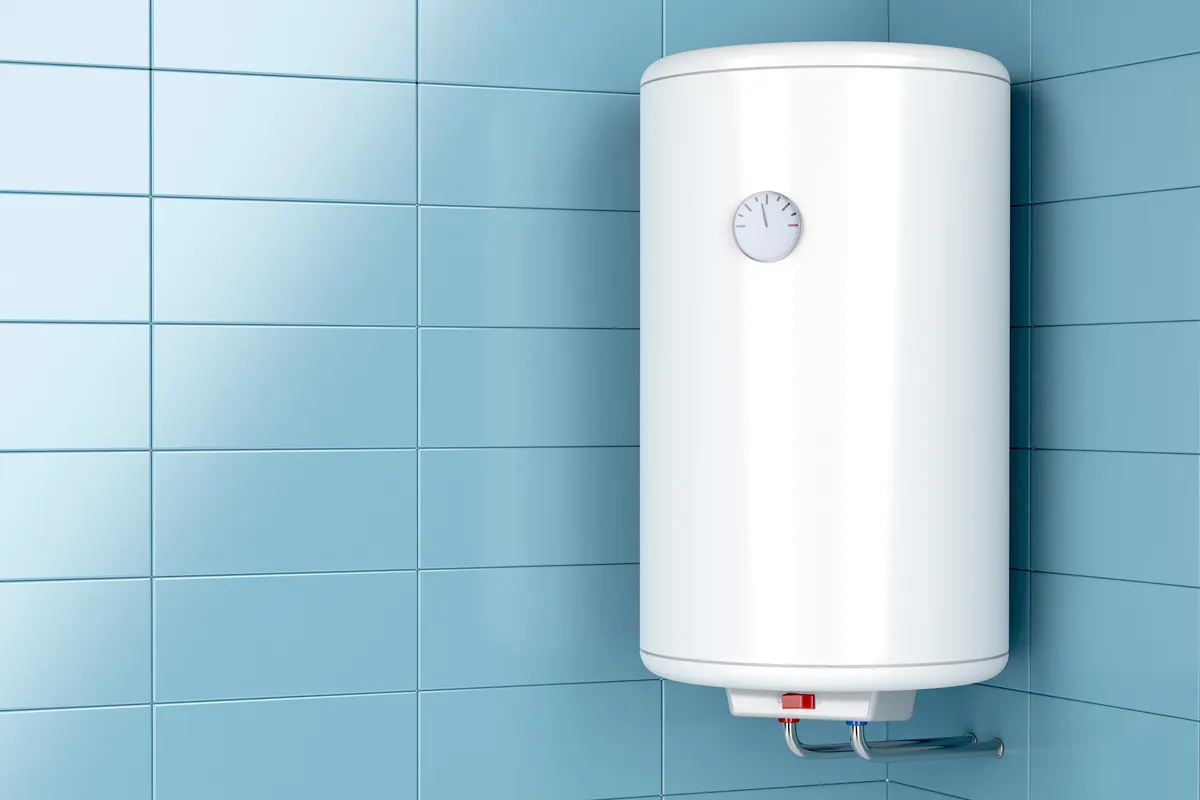
A 50 gallon water heater typically lasts 8 to 12 years. The main factors that determine lifespan are tank size, insulation quality, materials, maintenance habits, and water hardness. Regular cleaning and anode rod replacement are the two most effective ways to extend its life.
How Long Does a 50 Gallon Water Heater Last?
Most people find that a 50 gallon water heater will last them between 8 and 12 years. Your exact lifespan may differ depending on the quality of your water heater, how often you use it, and how well you maintain it.
By understanding how long a 50 gallon water heater lasts and taking steps to prolong its life, you can be sure that you’ll always have hot water when you need it.
What Factors Affect the Lifespan of a Water Heater?
There are several factors that can affect the lifespan of your water heater. Here are some of the most important ones.
- The size of the water heater tank. A larger tank will last longer than a smaller one because it will take longer for the heat to escape. If you need extra capacity, consider a 65 gallon or 75 gallon water heater.
- The insulation. A water heater with better insulation will retain heat for longer, and thus last longer.
- The quality of the materials. A water heater made with high-quality, durable materials will last longer than one made with lower-quality materials.
- The maintenance. A water heater that’s properly maintained will last longer than one that’s not. Regularly flushed tanks and anode rods help to prevent corrosion and mineral buildup, both of which can shorten a water heater’s lifespan.
- The location. A water heater located in a warm, sunny spot will last longer than one located in a cooler, shady spot. This is because sunlight helps to keep the water warm, while cooler temperatures make it more difficult for the heat to escape.
- The age of the water heater. As water heaters age, they become less efficient and more likely to break down. A new water heater will typically last longer than an old one.
These are just a few of the factors that can affect the lifespan of your water heater. By understanding these factors, you can take steps to prolong the life of your water heater.
How Can You Prolong the Life of Your Water Heater?
You rely on your water heater every day, so it’s important to take care of it. With a little effort, you can extend the life of your water heater and avoid costly repairs.
Here are a few tips.
Check the temperature regularly. The water should be set to 120 degrees Fahrenheit. Any higher and you’re at risk of scalding, and setting it too high can also cause too much pressure in your water heater.
Any lower and you may not have enough hot water for your needs.
Check the anode rod. The anode rod is a metal rod that helps to prevent corrosion in the tank. Over time, the anode rod can become corroded, which can lead to leaks.
As a result, it’s important to check the anode rod regularly and replace it if necessary.
Flush the tank regularly. Sediment can build up in the bottom of the tank over time, which can cause the heater to work less efficiently and eventually fail. To avoid this, it’s important to flush out the tank on a regular basis.
This can be done by draining a few gallons of water from the tank and then refilling it.
Insulate the tank. Insulating the water heater tank can help to reduce heat loss and improve how quickly it heats up. There are a variety of insulation kits available that can be used for this purpose.
By following these simple tips, you can help prolong the life of your water heater.
The two most impactful maintenance tasks are flushing the tank annually and checking the anode rod. These two steps alone can add years to your water heater's lifespan by preventing sediment buildup and internal corrosion.
How Often Should I Clean My 50 Gallon Water Heater?
You should clean your 50 gallon water heater at least once a year. This will help to prevent sediment buildup and keep the heater working properly.
Cleaning the water heater is a simple process. First, turn off the power to the heater.
Then, drain the tank and remove the anode rod.
Next, use a brush and some water to scrub the inside of the tank. Finally, replace the anode rod and refill the tank.
By taking the time to clean your water heater on a regular basis, you can help it last longer.
Signs Your Water Heater Is on Its Last Legs
Although water heaters are built to last, they will eventually need to be replaced. Here are a few signs that your water heater is nearing the end of its lifespan.
- Leaking. If you notice any leaks, have the heater replaced as soon as possible.
- Rust. Rust on the outside of the tank or on the pipes means it’s time for a new heater.
- Age. If your heater is more than 10 years old, it’s probably time for a replacement.
- Metallic taste. Water that tastes metallic indicates internal corrosion.
- Strange noises. Banging, popping, or rumbling sounds signal sediment buildup or component failure. If your unit keeps turning off, that’s another red flag.
If you notice any of these signs, it’s time to replace your water heater. Learn more about how long it takes to install a new unit and whether you can install it yourself. By doing so, you can avoid costly repairs and make sure you always have hot water.
Frequently Asked Questions
Roughly 15 minutes of continuous hot water before things start cooling off. That's enough for one solid shower, but back-to-back showers will leave the second person waiting.
It varies by your local electricity rates, but most people pay around $0.50 to $1.00 per day. That works out to roughly $15-30 a month — not nothing, but not outrageous either.
Budget around $600-800 for the unit itself. The final price depends on the brand, type (gas vs. electric), and whether you hire someone for installation or tackle it yourself.
For most families of four, yes — a 50 gallon tank handles daily showers, dishes, and laundry just fine. But if everyone showers back-to-back or you run the dishwasher during bath time, you might want to size up.
Kill the power to the unit right away and call a plumber. A leaking water heater can cause serious water damage fast, so don't wait on this one. The sooner you get it repaired or replaced, the less cleanup you'll be dealing with.
Final Thoughts
8-12 years is the realistic range, but which end you land on is mostly up to you. A little routine maintenance — annual flushes, anode rod checks, keeping the thermostat at 120 degrees — makes a real difference.
And pay attention to the warning signs. Leaks, rust, metallic-tasting water, or weird banging noises all mean it's time to start shopping for a replacement. Catching these early saves you from a cold-shower emergency and potentially expensive water damage.
A 50 gallon water heater lasts 8 to 12 years with proper maintenance. Set the thermostat to 120 degrees, flush the tank annually, check the anode rod regularly, and consider adding an insulating jacket. Watch for leaks, rust, and strange noises as signs that replacement is needed.