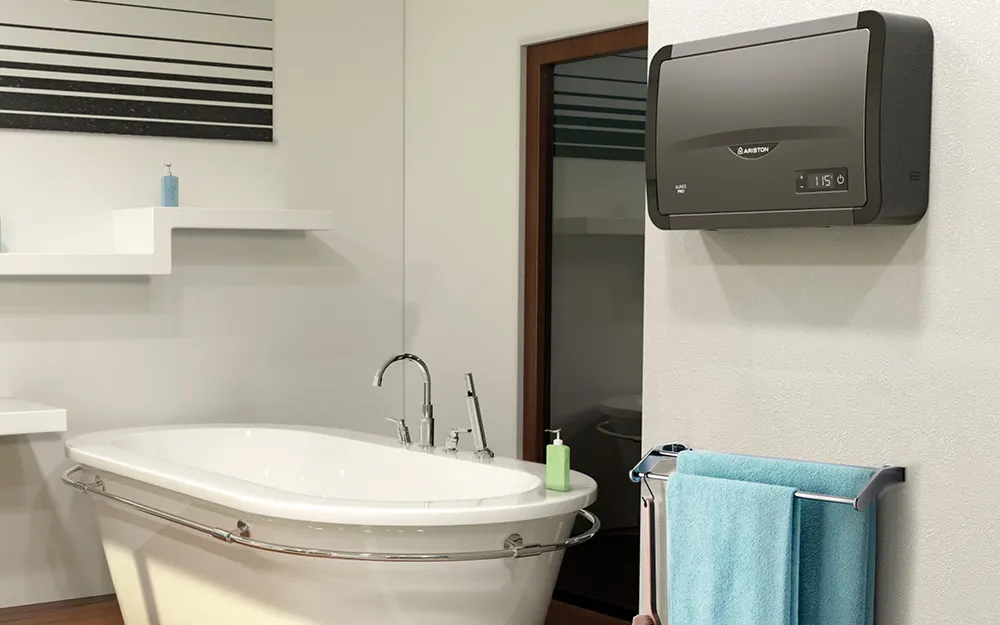
Tankless water heaters (also called on-demand heaters) have a lot going for them — they’re more energy-efficient, take up less space, and never run out of hot water the way tank models do. Check out our picks for the best electric tankless water heaters.
But the big question a lot of people have is whether they can actually fill a bathtub. After all, a nice hot bath requires a large volume of consistently hot water.
Can A Tankless Water Heater Fill A Tub?
The main advantage of this heating type is that you save energy because you don’t heat a large volume continuously and maintain a constant flow of hot water.
Can this type of water heater fill your tub?
A tankless water heater can fill a tub with hot water, but you must be sure to the bathtub's flow rate matches the heater's capacity. If the flow rate exceeds the heater's ability, water temperature will drop and you'll end up with a cold bath.
Advantages and Disadvantages of the Tankless Water Heater
Advantages
- Endless water supply since the unit heats water on demand, so you never run short of hot water
- Energy efficient with 82 to 96 percent efficiency compared to 62 to 67 percent for traditional gas tanks
- Longer service life with extended warranties compared to traditional tank heaters — see how long a 50-gallon water heater lasts by comparison
- Space saving design that’s smaller in size and frees up storage space in your home or garage
It’s useful for large families or homes with ample water supply. Homes with a spa system or soaking tubs are ideal for this kind of water heating system.
If you need upgrading your tank size to over 40 gallons, a tankless water heater is right to consider. You could also look at a 50-gallon electric water heater or even a 75-gallon water heater for large households.
Disadvantages
- Higher retrofit cost when shifting from a traditional tank heater to a tankless system
- Longer waiting time at the tap with at least 15 extra seconds waiting for hot water to arrive
- Lower cost savings not guaranteed since easy access to hot water can lead to increased usage
- Requires electricity so you won’t get hot water during a power outage — learn more about whether gas water heaters use electricity
- Flow rate limitations since simultaneous use of multiple fixtures can overwhelm the unit
There’s a high cost of shifting from a traditional tank heater to the tankless water heaters. You’ll spend a lot of money installing the gas lines, water line charges, and the venting. Learn how long it takes to install a water heater to plan your project.
The cost of installing a subsequent tankless water heater won’t be costly because you won’t incur a retrofit cost.
There’s no water tank to drain with the tankless water heater. The issue with this type of water heater is the flow and not the capacity since it doesn’t run out of hot water unless water supply flow overpowers the heater.
The tankless water heater won’t supply enough hot water in cases where the two showers and the washing machines are running at the same time. Water will pass through the tankless water heater without getting heated, consequently producing lukewarm water.
You need to buy a unit that puts out more heat to maintain the supply of hot water regardless of the flow rate and amount of water flowing into the heating unit.
How Tankless Water Heaters Work
You need to understand the working mechanism of the water heater before determining whether it can fill your tub. There are three types of tankless water heaters: non-condensing, hybrid condensing, and condensing.
They both differ slightly in functionality but with the same mode of action. The incoming cold water exchanges heat with the hot coil, making it deliver hot water to your faucet.
The electric heater uses elements, unlike the gas heater that uses a burner. The condensing water heater operates uniquely and more efficiently by introducing a second heat exchanger that uses the heat from the exhaust.
Both units of tankless water heater don’t produce instant water heater. The water has to take some time to flow from the system to the tap.
Why Choose a Tankless Water Heater for Your Tub
There are other water heaters on the market suitable for your bathtub. But why run for a tankless water heater?
Water heaters with a storage tank may work effectively with the bathtub, though they may not supply hot water on demand. The tankless water heater is the best alternative to homes with traditional heater that they need replacement due to less efficiency, age, or leaking.
If you need to lower the water heating bills or want to have an endless hot water supply, try this type of heater.
The reason for the popularity of the tankless water heater is its compact size. It saves the floor space in utility rooms and garage, inability to catch rust, and high efficiency.
The water tank is a gain to both individuals wishing to lower the heating cost or have a positive impact on environmental conservation. Some companies can offer you a utility rebate for installing this type of heater.
Installing and Maintaining a Tankless Water Heater
The two primary factors you should look at when installing and maintaining a tankless water heater are location and fuel type.
Fuel Type
If you currently operate with a gas water heater, you can go for the gas tankless water heater. However, you’ll need to increase your gas line because the tankless water heater needs a more extensive path to meet the high hot water demands.
If you’re currently using an electric water heater, you’ll need to shift to the tankless water heater. Some utility companies offer rebate services when making such a shift.
Electric tankless water heaters aren’t the best for homes because the standard of their outcomes is undesirable. A smaller 110v plug-in tankless water heater may work as a point-of-use solution.
Locality
Understanding the locality of your tankless water heater is essential because it will help you save your storage and installation cost. You should talk to your installer about the best installation space for your heater at home.
While installing the heater, put into consideration what to do in case of a power outage. Some installers may give you an option of a battery backup option.
How to Select the Right Tankless Water Heater
The rating of the tankless water heater depends on the temperature rise at a particular flow rate. You need to determine your flow rate and temperature rise demand before buying a suitable hot water system for your domestic use.
You should avoid saving money by under-sizing your water heater.
Determine the Number of Devices and Flow Rates
List all the devices you need to run simultaneously and their individual flow rate requirements. Sum up all the flow rates to determine the total gallons per minute you'll need from your water heater.
Determine the Required Temperature Rise
Find the temperature rise by subtracting the incoming water temperature from your desired water temperature. People living in colder climates will need a higher temperature rise, which requires more heating capacity.
Size Your Water Heater
The final step involves selecting a unit that can handle both your total flow rate and required temperature rise. Never choose a water heater that doesn't meet your demand, as under-sizing leads to cold water problems.
Reasons for Not Having Hot Water in Your Tub
Overusing Hot Water
Although you may enjoy long hours of hot water, the water heater won’t supply the whole family at the same time. When everybody is in the bathroom using hot water at the same time, the shower may end up running out of hot water.
The last person will cause shower cold water.
Similarly, running dishwashers, washing machines, and other warm water applications simultaneously will lead to an increase in the flow rate, resulting in inadequate heating of water.
You shouldn’t overuse the water heater if you need hot water in your bathtub.
Tankless Water Supply Size
The water heater supplies water on demand. The unit doesn’t have a storage supply, so you need to size your water demand with the heating unit for an endless amount of hot water.
Coldwater from the tankless heater may indicate that its size isn’t in line with the family water supply needs.
Sediment and Mineral Buildup
Sediments and minerals such as calcium carbonate may still be present in the water despite the filter systems in the heater. They may accumulate in your water tank, reducing the water heater’s efficiency and therefore making you shower cold water. This buildup can also cause low water pressure.
You can detect the problem by the pop sound coming from the water heater as an indication of sediment and mineral build-up. If you hear noises, find out whether tankless water heaters are loud and what it means.
Worn Out or Damaged Parts
If any part of the heater damages, the functionality will be tempered with resulting in running out of cold water.
Installation of the Tankless Water Heater
Installing a tankless water heater is a complicated procedure that involves a series of steps. A licensed plumber with experience in installing sophisticated home appliances can help in establishing the system.
- Hacksaw
- Drill and spade bit
- Wrenches (various sizes)
- Screwdrivers
- Reciprocating saw
- Propane torch
If you’re installing a propane tankless water heater, you’ll need additional materials such as a 2x4 board, stainless steel vent pipe, gas supply line, pipe insulation, flux, copper pipe, and black pipe.
Disconnect the Existing Water Heater
Turn off the heater, disconnect all the gas supply lines, and drain any water from the existing tank. Make sure all power sources are completely shut off before beginning.
Upgrade or Replace the Gas Line
Add a valve and a tee to the existing gas line. Install a gas supply line between the attachment point of the tankless heater and the tee. Check that all connections are tight and leak-free.
Install the Water Lines
Attach the cold and hot water lines to their respective connection points on the tankless water heater. Use a bell hanger for better control of the pipe. Clean the pipes from oxidation before applying solder, apply flux to the end of the tube, join a connector, and solder together.
Mount the Tankless Water Heater
Mounting of a propane tankless heater should be about 4 inches from the wall, at a place with proper ventilation. The heater should be sturdy and secure on the wall, using appropriate wall anchors.
Connect the Tankless Water Heater
Follow the manufacturer's manual carefully when making all final connections. Double-check all gas and water connections for leaks before proceeding.
Install the Vent
Follow the detailed installation steps in the manual to install the vent system. Proper venting is critical for safe operation of gas-powered tankless water heaters.
Activate the New Tankless Water Heater
With the completion of the installation process, plug the heater into the nearest power outlet. Turn on the gas supply and water supply, then test all fixtures for proper hot water delivery.
The Tankless Water Heater Size You Need for Your Tub
To determine the right size water heater for your home tub, you must understand the water demand, capacity, and heating capability of the unit.
The water heater size corresponds to its rating. The tankless water heater’s grade depends on the amount of heat and the volume of water passing through the unit.
The tankless water heater flow rate is the amount of water going through the heating element per minute. To get the best tankless water heater for your need, determine the unit size which can heat water for the combined flow rate of the total output.
Never take a water heater that doesn’t meet your demand.
Finding the most suitable size of the tankless water heater for your tub involves counting the outputs. Determine the number of outlets you need to connect to the tankless water heater.
Find out if the system will be supplying hot water to your kitchen, bathroom, or any other point of use.
Determination Of The Total Water Flow Rate
Find out the overall flow rate of the output you’re planning to connect to the heater. If you’ve several outlets, think of the possibility of using all the hot water points simultaneously.
The tankless water heater you purchase should exceed all your output flow rate to maintain a regular supply of hot water. Take note of the incoming water temperature.
You can use the thermometer to take the water temperature of the incoming water. It’s usually affected by the outdoor temp of the area.
Determine the temperature you need for your tub. Find out the temperature of water you intend to have in your bathtub.
Find the difference between the incoming water temperature and the intent temperature.
What If You Want to Fill the Water Tub Quickly?
A tankless water bath can fill the water bath with hot water. However, you must make sure the bathtub flow rate matches the water heater’s rate.
If your bathtub has a high flow rate, you’ll need a high heating capacity to meet the need. If the tankless heater has a low water flow rate, its supply will be inadequate for the bathtub.
A storage tank heater will be the best alternative to the quick filling of the water bath with the hot water. A tankless water heater can provide a continuous supply of hot water.
However, if the flow rate exceeds the heating unit’s capacity, the water temperature will fluctuate.
You can keep the flow rate low to maintain the water temperature. The challenge with a low flow rate is that it will take longer to fill the tub.
Tankless water heater takes time to sense the flow rate of water. When you switch it on, you’ll realize a flow of cold water before hot water starts flowing — a scenario called cold water sandwich.
With this cold water flowing in the tub, the overall water temperature will go low that will make you take a discomfort cold shower. As you reduce the heat flow rate, your tub’s water temperature will keep on growing cold.
By the time you shut off the heater, the water temperature of your tub will be colder and not comfortable for a shower. For that reason, the storage heater is more commendable for filling tub compared to the tankless counterpart.
The tankless water heater on the other side is energy-efficient and saves your storage space by providing an on-demand water supply. The main challenge of using a tankless water heater is their ability to fill the tubs with hot water.
To use this type of heater in filling your water tubs, you need a specialized plumber to calculate your flow rate and recommend the best heater to meet your needs. Remember, the tankless water heater doesn’t sense the water flow instantaneously, the faucet may begin by producing cold water before hot water starts flowing.
Filling your bathtub with this cold water can reduce the overall temperature of the water, causing undesirable effects.
Frequently Asked Questions
It can, but you'll need a bigger unit than average. Large soaking tubs demand a lot of hot water, so look for a whole-house gas tankless heater with a flow rate of 8 to 10 gallons per minute. Anything less and you'll end up with a bath that's lukewarm at best.
This is known as a cold water sandwich. The tankless water heater takes a few seconds to sense the flow rate and begin heating the water. During this brief period, cold water that was sitting in the pipes flows through before the heated water reaches the faucet. This is normal and typically lasts only 10 to 15 seconds.
It depends on the capacity of your tankless water heater. If you run showers, dishwashers, and washing machines simultaneously while filling a tub, the combined flow rate may exceed the heater's capacity. This will result in lukewarm water. Choose a unit sized for your total household hot water demand.
For filling a bathtub quickly, a traditional storage tank heater may actually be faster since it stores a large volume of pre-heated water. However, a properly sized tankless water heater provides continuous hot water without running out. The tankless option is better for energy efficiency and long-term cost savings.
Final Thoughts
So yes, a tankless water heater can absolutely fill a tub — as long as you've matched the heater's capacity to your tub's demands.
The trick is balancing flow rates. If your tub faucet pushes out more gallons per minute than the heater can handle, you'll end up with a disappointing lukewarm bath. And if someone else in the house decides to run the dishwasher while you're filling up, that makes things even worse.
Size your heater for your actual household usage — not just the tub — and you'll be fine. A properly sized tankless system gives you endless hot water, better energy efficiency, and a much smaller footprint than a traditional tank.
A tankless water heater can fill a tub, but proper sizing is essential. Match the heater's flow rate and heating capacity to your bathtub's demands, and avoid running multiple hot water fixtures simultaneously while filling the tub for the best results.