Water bottles come in plastic, glass, metal, and just about every size you can imagine. The capacity is usually printed in milliliters (mL) or liters (L), but not everyone knows what those numbers actually mean in practical terms.
If you’re also wondering about physical dimensions — like whether a bottle fits in your bag or cup holder — our guide on how tall a water bottle is has you covered. But let’s start with the question everyone asks: how many mL are actually in a standard water bottle?
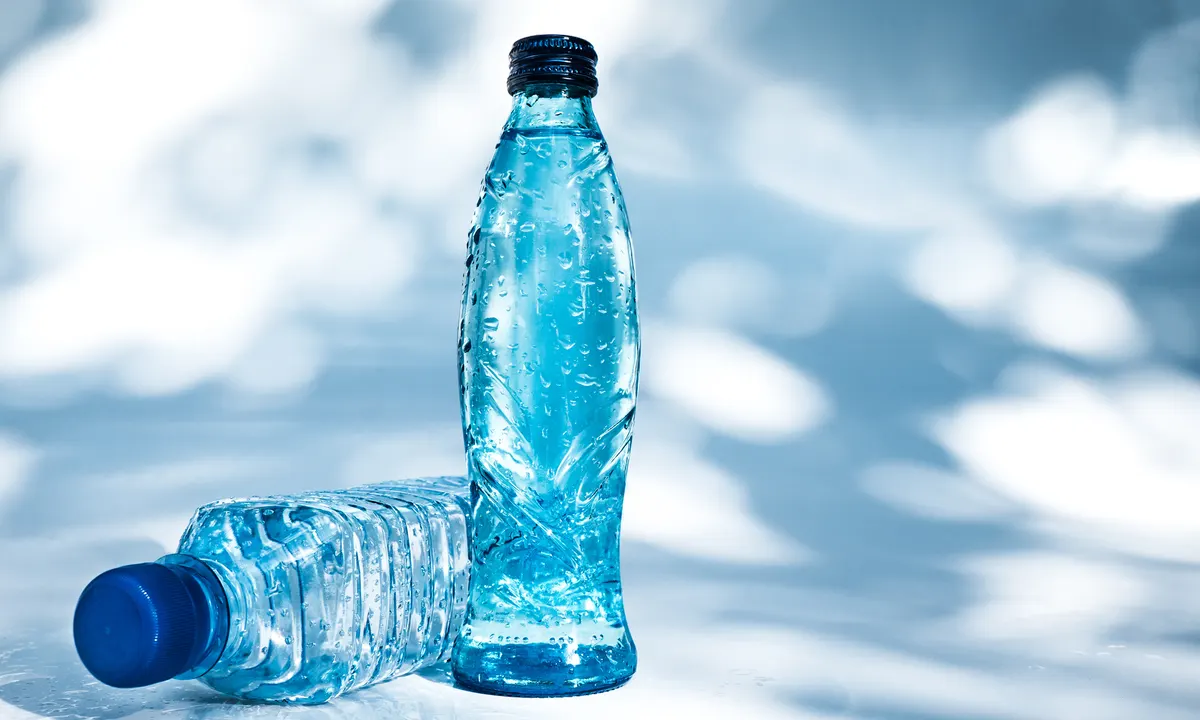
The most common water bottle sizes are 500 mL (16.9 oz), 1 liter (33.8 oz), 1.5 liters (50.7 oz), and 2 liters (67.6 oz). A standard single-serve bottle you find in stores is typically 500 mL, which equals half a liter.
How Many mL in a Water Bottle?
The most common sizes for water bottles are 500 mL, 1 L, and 1.5 L. These are the standard sizes you’ll find in most stores.
500 mL is equivalent to 0.5 L, or half a liter. 1 L is equal to 1,000 mL, and 1.5 L is 1,500 mL.
Here is a breakdown of each standard size:
- 500 milliliters: This is a small water bottle often used for on-the-go activities. It holds about 16.9 ounces of water and fits easily into a purse or backpack.
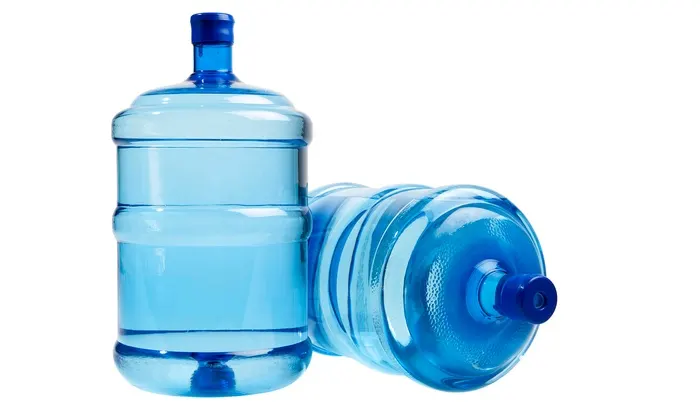
- 1 Liter: This is the standard full-size water bottle. It holds about 33.8 ounces of water, which is equivalent to 4.23 cups.
- 1.5 Liters: This is a large water bottle. It holds about 50.7 ounces of water, or 6.34 cups.
- 2 Liters: This is an extra-large water bottle. It holds about 67.6 ounces of water, or 8.45 cups.
| Bottle Size | Milliliters | Ounces | Cups |
|---|---|---|---|
| Small | 500 mL | 16.9 oz | 2.11 |
| Standard | 1,000 mL | 33.8 oz | 4.23 |
| Large | 1,500 mL | 50.7 oz | 6.34 |
| Extra Large | 2,000 mL | 67.6 oz | 8.45 |
Standard Water Bottle Size in Liters
You can find water bottles in many shapes and sizes on the market. However, the two most common standard sizes are liters and half-liters.
Liters are the most popular size. You can find them ranging from small single-serve bottles to large jugs.
Half-liter bottles (500 mL) are also very common. They’re often used for sports drinks and other beverages.
If you’re looking for a larger size, you can try a 2-liter water bottle. These are widely available as well.
How to Measure the mL Content of a Water Bottle
Measuring the mL content of a water bottle is straightforward. All you need is a measuring cup and something to mark the water level on the bottle.
First, fill the measuring cup with water and pour it into the water bottle until it reaches the top. Next, use a marker to make a line at the water level inside the bottle.
Finally, empty the water and measure the distance between the bottom and the marked line. This gives you the mL content of the bottle.
Tips for Measuring Accurately
- Use a clear measuring cup so you can see the water level
- Use a thin marker so the line is easy to read
- Make sure the bottle is completely empty before you start
- Measure from the bottom of the bottle to the water line
- Use a ruler or tape measure for precise measurements
Why Knowing the mL Content Matters
Knowing the mL content of your water bottle is important for several reasons.
First, it helps you stay hydrated. If you know how much water you should drink daily, you can use the mL content of your bottle to track your intake accurately.
Also, if you’re working out, it’s important to stay hydrated but you don’t want to overdo it. This is why it’s important to know how much water you’re drinking during the workout.
Knowing how many mL of water is in a bottle can help make sure you’re drinking enough water during other exhausting activities, such as long hikes. It can help you calculate how many bottles you need to bring along.
If you’re planning a trip, knowing your bottle’s capacity is important since you’ll want to fill up at the airport after security. Our guide on bringing an empty water bottle on a plane covers the TSA rules.
Finally, the mL content of a water bottle can be especially relevant when traveling. Different countries have different sizes of water bottles.
In Europe, for example, the standard size is 500 mL, while in America the standard size is 860 mL.
How to Convert Between mL and Liters
mL to Liters
The formula for converting mL to liters is: L = mL / 1,000
This means that in order to convert from mL to L, you need to divide the number of mL by 1,000.
For example, if you’ve 100 mL of liquid, you would divide 100 by 1,000 in order to get 0.1 L. If you’ve 50 mL, you would divide 50 by 1,000 to get 0.05 L.
Liters to mL
To convert from L to mL, multiply the number of L by 1,000. So, if you’ve 0.5 L, you would multiply 0.5 by 1,000 to get 500 mL.
Converting between mL and liters is simple. Divide mL by 1,000 to get liters, or multiply liters by 1,000 to get mL. This makes it easy to compare bottle sizes regardless of how they're labeled.
How Many Ounces Are in a Water Bottle?
There are about 33.8 ounces in 1 liter, which is the most common size of a water bottle. This means there are approximately 16.9 ounces in a 500 mL bottle and about 50.7 ounces in a 1.5 L bottle. For a deeper dive into ounce-based sizing, see our full guide on how many ounces are in a water bottle.
One thing to know: these are approximate values because 1 ounce is equal to 28.35 mL and 1 liter is equal to 1,000 mL. The exact conversion from ounces to mL will depend on the size of the water bottle.
Frequently Asked Questions
About 8.5 inches tall and 3.3 inches across. The exact numbers shift a bit depending on the brand and shape, but that's the ballpark.
Roughly 6.8 inches tall and 2.6 inches in diameter — that's the standard single-serve bottle you see everywhere, from gas stations to grocery stores.
Not even close. The recommended daily intake is about 2 liters, so you'd need to drain and refill a 500 mL bottle four times throughout the day. Carrying a 1-liter bottle cuts that effort in half.
About 4 one-liter bottles. Technically a gallon is 3.8 liters, so 4 bottles gets you just over a gallon. Close enough for practical purposes.
About 473 mL. So a pint is just under half a liter — handy to know when you're comparing US and metric measurements.
Multiply the ounces by 29.6. So 16 ounces times 29.6 gives you about 474 mL. It's not a round number, but it's a quick calculation once you memorize the multiplier.
Final Thoughts
Knowing your bottle's mL capacity sounds like a small thing, but it makes tracking your daily water intake way easier. It's also useful when you're planning for a workout, a hike, or a trip.
Just keep in mind that standard sizes vary by country — 500 mL is the norm in Europe, while 860 mL is more common in the US. With the simple conversion formulas in this guide, you can figure out the mL content of any bottle you come across.